✓ Play-based learning is a child-initiated, adult-supported approach to education.
✓ It fosters cognitive, social, emotional, and physical development simultaneously.
✓ Children learn best when actively engaged and intrinsically motivated.
✓ This approach builds crucial 21st-century skills like problem-solving and creativity.
How It Works
1
Child-Initiated Exploration
Children select their activities and materials based on their interests and curiosity. This autonomy increases engagement and intrinsic motivation for learning.
2
Adult Facilitation & Support
Educators observe, ask open-ended questions, and provide resources to extend play and deepen learning. They act as guides, not directors, in the learning process.
3
Rich Learning Environments
Spaces are designed with diverse materials and opportunities for various types of play. These environments stimulate imagination, collaboration, and critical thinking.
4
Reflection & Connection
Children and adults discuss experiences, articulate discoveries, and connect play to broader concepts. This helps solidify understanding and build meta-cognitive skills.
Understanding the Core Principles of Play-Based Education
Photo: Atlantic Ambience / Pexels
At its heart, understanding what is play-based learning requires delving into its foundational principles, which distinguish it from more traditional, didactic teaching methods. This educational philosophy recognizes that play is not merely a recreational activity but a fundamental and powerful mechanism through which children make sense of their world, develop essential skills, and construct knowledge. It's a pedagogical approach rooted in extensive research in child development and cognitive science, asserting that children are active participants in their learning journey, not passive recipients of information.
One of the paramount principles is child-centeredness. In a play-based environment, the child's interests, curiosities, and developmental stage dictate the direction of learning. Rather than following a rigid, predetermined curriculum, educators observe children's play, identify teachable moments, and then expand on those organic interests. This approach fosters intrinsic motivation, as children are naturally inclined to engage deeply with topics that genuinely capture their attention. When children are allowed to explore what excites them, they develop a love for learning that extends far beyond the classroom walls. This stands in stark contrast to rote memorization or teacher-led instruction, where engagement can often be superficial or driven by external rewards rather than genuine curiosity.
Another critical principle is the role of the educator as a facilitator and co-learner. Unlike a traditional teacher who might primarily deliver information, a play-based educator acts as a guide, observer, and resource. They strategically design the learning environment with rich, open-ended materials, ask thought-provoking questions to extend play, and intervene only when necessary to support problem-solving or encourage collaboration. This subtle yet profound shift in roles empowers children to take ownership of their learning. It teaches them resilience, self-regulation, and critical thinking, as they are given the space to experiment, make mistakes, and discover solutions independently. The educator's goal is not to provide answers but to cultivate the skills necessary for children to find answers themselves. This cultivates a sense of agency and competence in young learners, crucial for navigating an ever-changing world.
Furthermore, play-based learning emphasizes the holistic development of the child. It recognizes that learning is not confined to cognitive skills alone but encompasses social, emotional, physical, and creative domains. Through various forms of play – dramatic play, constructive play, games with rules, and physical play – children develop a wide array of competencies. They learn to negotiate, share, empathize, manage emotions, fine-tune motor skills, and express themselves creatively. For instance, building a block tower involves spatial reasoning, problem-solving, and potentially collaboration if done with peers. Engaging in dramatic play might involve complex narrative development, role-taking, and emotional expression. This integrated approach ensures that children grow into well-rounded individuals, equipped not just with academic knowledge but also with the crucial social-emotional intelligence needed for success in life. The interconnectedness of these developmental areas means that progress in one area often supports growth in others, creating a virtuous cycle of learning and development.
The Profound Benefits of Learning Through Play for Children
The transition from understanding what is play-based learning to appreciating its myriad benefits is crucial for parents, educators, and policymakers alike. The advantages extend far beyond simply making learning 'fun'; they lay a robust foundation for lifelong success, fostering a unique blend of academic, social, and emotional competencies that are increasingly valued in the 21st century. Research consistently demonstrates that children engaged in play-based learning exhibit higher levels of engagement, deeper understanding, and superior retention of knowledge compared to those in more structured, didactic settings.
One of the most significant benefits is the enhancement of cognitive development. Through play, children naturally engage in problem-solving, critical thinking, and abstract reasoning. Building a complex structure with LEGOs requires planning, spatial awareness, and the ability to adapt when things don't go as expected. Engaging in a pretend grocery store scenario involves understanding basic math concepts, categorization, and language development. These experiences are not abstract academic exercises but are embedded within meaningful, self-directed contexts, making the learning more impactful and memorable. Children are actively constructing knowledge, not just absorbing it. This active construction leads to a more profound understanding of concepts and the ability to apply them in novel situations, a hallmark of true intelligence.
Beyond cognition, play is an unparalleled catalyst for social and emotional development. When children play together, they learn invaluable lessons in negotiation, compromise, empathy, and conflict resolution. A group of children building a fort must communicate their ideas, assign roles, share materials, and navigate disagreements – all crucial social skills. Dramatic play allows children to explore different perspectives, understand emotions, and practice self-regulation in a safe, imaginative space. These experiences build emotional intelligence, resilience, and the ability to form healthy relationships, which are foundational for success in school and life. In a world where mental health and social skills are increasingly recognized as vital, play-based learning provides an organic and effective means of cultivating these attributes.
Creativity and innovation are also profoundly nurtured through play. Unlike activities with a single right answer, open-ended play encourages divergent thinking, imagination, and experimentation. There's no 'wrong' way to build a sandcastle or tell a story with puppets. This freedom allows children to take risks, explore novel ideas, and develop their unique voices. In an economy that increasingly values innovation and adaptable problem-solvers, fostering creativity from an early age is not a luxury but a necessity. Play-based learning environments are incubators for imaginative thought, where children are encouraged to think outside the box and push the boundaries of their understanding. This cultivates an intrinsic drive to create and innovate, skills that are highly transferable to any academic or professional pursuit. The ability to approach challenges with flexibility and inventiveness is a direct outcome of extensive, unstructured play opportunities.
Implementing Play-Based Learning: Strategies for Educators and Parents
Successfully integrating what is play-based learning into a child's educational journey, whether in a classroom or at home, requires intentional strategies and a shift in perspective. It's not about simply letting children 'do what they want,' but rather about creating an environment rich with possibilities and providing thoughtful guidance. Both educators and parents play distinct yet complementary roles in maximizing the potential of this powerful approach.
For educators, designing a stimulating and flexible learning environment is paramount. This involves carefully selecting and organizing open-ended materials that invite exploration and creativity. Think beyond traditional toys: natural elements like sticks, stones, and leaves; recycled materials such as cardboard boxes, fabric scraps, and plastic bottles; and art supplies like paint, clay, and various papers. These materials encourage children to think imaginatively and use them in multiple ways, fostering divergent thinking. The classroom layout should allow for different types of play – a cozy reading nook, an area for construction, a space for dramatic play, and a table for art or sensory activities. Crucially, these areas should be flexible and adaptable, evolving with the children's interests. Educators must also become keen observers, documenting children's play to understand their developmental stages, interests, and learning styles. This observation informs their planning, allowing them to introduce new materials, ask probing questions, or suggest extensions to the play that deepen the learning experience. For instance, if children are building a fort, an educator might introduce measuring tapes, blueprints, or books about different types of structures, seamlessly integrating academic concepts into their play. Furthermore, fostering a culture of inquiry and collaboration is vital. Educators can model curiosity, ask 'what if' questions, and encourage children to work together, share ideas, and respect different perspectives. This cultivates a dynamic learning community where every child feels valued and empowered to contribute.
Parents, too, have a significant role in nurturing play-based learning at home. It begins with valuing play as legitimate learning, rather than just downtime. Providing unstructured time for play, free from excessive screen time or overly scheduled activities, is crucial. This allows children the mental space to initiate their own games and explorations. Creating a 'yes' space or a 'play corner' with accessible, open-ended materials – similar to those in a classroom – can encourage independent play. This might include blocks, art supplies, dress-up clothes, or simply a collection of household items that can be repurposed. Engaging with your child's play, rather than directing it, is also key. Sit on the floor, follow their lead, ask open-ended questions like, 'What are you building there?' or 'Tell me about your story,' and resist the urge to correct or impose your own ideas. This validates their imagination and encourages them to elaborate on their thinking. Reading together and engaging in conversations about the stories can also be a form of play-based learning, fostering language and literacy skills. Finally, connecting play to real-world experiences helps children see the relevance of their discoveries. For example, if a child is playing with toy animals, a trip to a local farm or zoo can deepen their understanding and spark new avenues for play. Embracing play-based education at home means trusting in your child's innate capacity to learn and providing the fertile ground for that learning to flourish.
Common Misconceptions and Practical Tips for Maximizing Play-Based Learning
Despite its growing recognition, play-based learning is often misunderstood, leading to common misconceptions that can hinder its effective implementation. Addressing these myths and offering practical tips can help both educators and parents fully embrace and maximize the benefits of this powerful educational approach.
**Misconception 1: Play-based learning means 'anything goes' or lack of structure.**
This is perhaps the most prevalent misconception. True play-based learning is far from chaotic or unstructured. Instead, it is highly intentional and thoughtfully designed. Educators and parents create carefully curated environments, select open-ended materials, and plan experiences that align with developmental goals and learning objectives. The 'structure' comes from the environment and the facilitator's guidance, rather than rigid, teacher-imposed activities. There are clear expectations for behavior and engagement, but within those boundaries, children have significant autonomy. The learning objectives are embedded within the play, not separate from it.
**Misconception 2: Play-based learning neglects academic skills.**
Some worry that focusing on play will lead to children falling behind in reading, writing, and math. On the contrary, play-based learning often enhances academic skills in a more meaningful and integrated way. Children learn foundational math concepts by counting blocks, sorting objects, and measuring ingredients in pretend cooking. Literacy skills are developed through dramatic play (creating signs for a store, writing 'menus'), storytelling, and engaging with books. These skills are not taught in isolation but are woven into engaging, purposeful activities, making them more relevant and easier to grasp. Research consistently shows that children in play-based programs often outperform their peers in more traditional settings in the long run, especially in areas like problem-solving and critical thinking.
**Misconception 3: Play-based learning is only for very young children.**
While play is fundamental in early childhood, the principles of play-based learning can be effectively applied across all age groups, even into adulthood. For older children, this might manifest as project-based learning, inquiry-based science experiments, or gamified learning experiences. The core idea – active engagement, exploration, and self-directed discovery – remains relevant. The complexity and type of play evolve with age, but the underlying pedagogical value endures.
**Practical Tips for Maximizing Play-Based Learning:**
* **Observe and Reflect:** Spend time watching children play without intervention. What are their interests? What challenges are they facing? What skills are they using? Use these observations to inform your next steps.
* **Provide Open-Ended Materials:** Offer materials that can be used in multiple ways, encouraging imagination and creativity. Think natural items, loose parts, art supplies, and construction tools.
* **Ask Open-Ended Questions:** Instead of 'What color is that?', ask 'Tell me about what you're making' or 'What do you think would happen if...?' This encourages deeper thinking and language development.
* **Follow Their Lead:** While you guide and facilitate, allow children to drive the direction of their play and learning. Their intrinsic motivation is a powerful engine.
* **Create a 'Yes' Space:** Designate an area that is safe, accessible, and filled with engaging materials where children are encouraged to explore freely without constant redirection.
* **Connect Play to Real-World Experiences:** Take children on field trips, involve them in household tasks, and discuss how their play relates to real-life situations. This builds relevance and understanding.
* **Embrace Mess and Experimentation:** Learning often involves trial and error, and sometimes, a bit of mess. Allow children the freedom to experiment and make mistakes, as these are crucial parts of the learning process.
* **Model Playfulness:** Show children that learning can be joyful and exciting by engaging in playful activities alongside them. Your enthusiasm is contagious.
Comparison
Feature
Play-Based Learning
Traditional Instruction
Montessori Method
Learning Driver
Child's interests & curiosity
Teacher-directed curriculum
Child's self-directed exploration
Role of Educator
Facilitator, observer, guide
Instructor, knowledge dispenser
Guide, observer, prepares environment
Learning Environment
Flexible, open-ended, rich materials
Structured, often desk-focused
Prepared, orderly, specialized materials
Assessment
Observation, portfolios, authentic tasks
Tests, quizzes, standardized measures
Observation, individual progress tracking
Emphasis
Holistic development, creativity, social skills
Academic knowledge, rote memorization
Independence, practical life skills, sensory exploration
Social Interaction
✓
✗
✓
Intrinsic Motivation
High
Variable, often external rewards
High
What Readers Say
★★★★★
"My son's preschool embraced play-based learning, and the difference is incredible. He's not just memorizing facts; he's truly understanding concepts by building, experimenting, and interacting with his peers. It's amazing to see his natural curiosity nurtured."
Sarah J. · Austin, TX
★★★★★
"As a former teacher, I've seen firsthand how play-based learning transforms a classroom. Children are more engaged, cooperative, and creative. It prepares them not just for kindergarten, but for lifelong learning with a genuine love for discovery."
David M. · Seattle, WA
★★★★★
"Since incorporating more play-based activities at home, my daughter's problem-solving skills have skyrocketed. She's building elaborate structures and creating complex imaginative worlds, which has clearly boosted her confidence and critical thinking."
Emily R. · Boston, MA
★★★★★
"While I initially worried about the academic rigor, my experience with play-based learning has been largely positive. My child is incredibly happy and engaged, and I've seen unexpected improvements in his social skills, though I still occasionally supplement with some structured learning games."
Mark T. · Denver, CO
★★★★★
"As an early childhood educator, I can attest to the profound impact of play-based learning. It's not just about fun; it's about deep, meaningful learning that respects a child's developmental stage. My students thrive in this environment, developing resilience and a genuine love for exploration."
Jessica L. · Chicago, IL
Frequently Asked Questions
What is play-based learning, in simple terms?
Play-based learning is an educational approach where children learn through self-initiated, guided play. Instead of direct instruction, children explore, experiment, and interact with their environment and peers, with adults facilitating and enriching their experiences. It leverages a child's natural curiosity to foster development across all domains.
Is play-based learning effective for academic preparation?
Yes, extensive research indicates that play-based learning is highly effective for academic preparation. It builds foundational skills like problem-solving, critical thinking, language development, and creativity, which are crucial for later academic success. Children learn concepts in a meaningful context, leading to deeper understanding and better retention than rote memorization.
How can I implement play-based learning at home?
To implement play-based learning at home, create a 'yes' space with open-ended materials like blocks, art supplies, and natural items. Provide ample unstructured time for exploration, and engage with your child's play by asking open-ended questions rather than directing. Value play as a legitimate form of learning and connect their play to real-world experiences.
Does play-based learning cost more than traditional education?
The cost of play-based learning can vary widely depending on the setting (e.g., private preschool vs. public kindergarten). While some specialized play-based programs might have higher tuition, the approach itself doesn't inherently cost more. Many resources for play-based learning at home or in schools can be created with low-cost or recycled materials, focusing on creativity over expense.
How does play-based learning compare to Montessori or Reggio Emilia?
Play-based learning is a broad umbrella that shares similarities with both Montessori and Reggio Emilia. Montessori emphasizes self-directed activity within a prepared environment using specialized materials, focusing on independence. Reggio Emilia also values self-directed learning and a rich environment but places a strong emphasis on collaborative projects, documentation, and the 'hundred languages of children.' Play-based learning often incorporates elements from both, prioritizing child-led exploration and holistic development, but with potentially more flexibility in materials and structure than strict Montessori.
Who should consider play-based learning for their child?
Parents and educators who believe in a holistic approach to child development, value intrinsic motivation, and want to foster creativity, problem-solving, and social-emotional skills should consider play-based learning. It's particularly beneficial for children in early childhood (preschool to early elementary) but its principles can be adapted for all ages to encourage deeper engagement and understanding.
Is there a risk of children not learning enough academic content in play-based settings?
When implemented effectively, there is no risk of children not learning enough academic content. Play-based learning integrates academic concepts naturally into engaging activities. Children learn math by counting and sorting, literacy by creating stories and signs, and science through experimentation. This contextualized learning often leads to a more profound and lasting understanding than isolated, rote instruction.
What are future trends for play-based learning in education?
Future trends for play-based learning include its increasing integration into elementary school curricula, not just preschool. There's a growing emphasis on outdoor and nature-based play, leveraging digital tools in thoughtful, play-centric ways, and a continued focus on professional development for educators to effectively facilitate play. The recognition of its role in fostering 21st-century skills like innovation and adaptability will likely drive its further expansion.
Embrace the transformative power of what is play-based learning and watch your child flourish. By fostering natural curiosity and providing rich, engaging experiences, we can empower the next generation to be confident, creative, and lifelong learners. Start exploring the world of play-based education today.
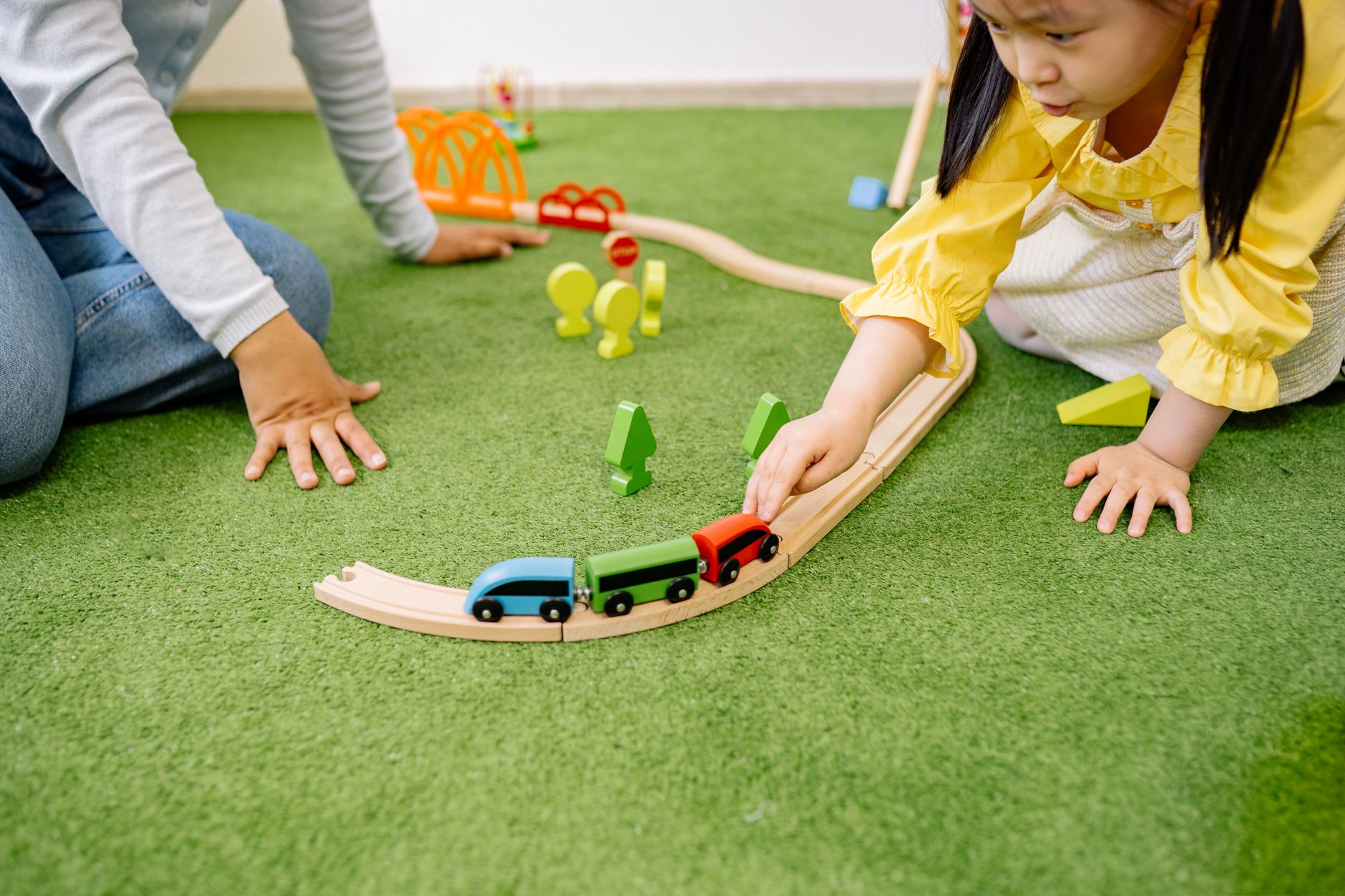
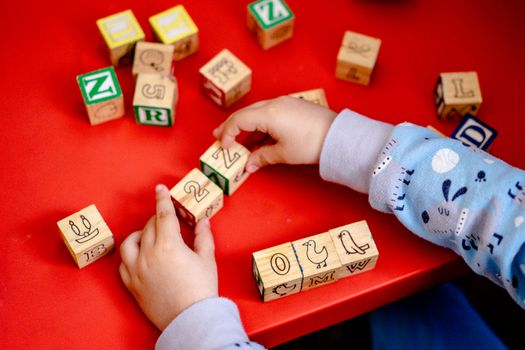 Photo: Atlantic Ambience / Pexels