✓ 85% of jobs that will exist in 2030 haven't been invented yet, highlighting the need for continuous skill acquisition.
✓ Individuals who engage in lifelong learning report higher levels of job satisfaction and career advancement.
✓ Learning new skills can significantly improve cognitive function and mental agility, reducing the risk of cognitive decline.
✓ Lifelong learners are more adaptable to change, both professionally and personally, fostering greater resilience.
How It Works
1
Define Your Learning Goals
Identify what you want to learn and why it's important to you. This clarity provides direction and motivation for your educational pursuits.
2
Explore Learning Resources
Discover a wealth of options from online courses, workshops, and books to mentors and hands-on experiences. Choose methods that suit your learning style.
3
Integrate Learning into Daily Life
Make learning a regular habit, whether it's dedicating specific time each day or week, or simply being more observant and curious. Consistency is key to sustained growth.
4
Apply and Reflect
Put your new knowledge and skills into practice. Reflect on what you've learned and how it impacts your life and work, reinforcing the learning process.
The Evolving Landscape of Work and Continuous Skill Development
Photo: Andrea Piacquadio / Pexels
In an era defined by rapid technological advancements and global interconnectedness, the concept of a static career path has become largely obsolete. The modern workforce demands more than just initial qualifications; it necessitates a commitment to continuous skill development. The importance of lifelong learning cannot be overstated in this dynamic environment. Automation, artificial intelligence, and new digital platforms are constantly reshaping industries, rendering some skills redundant while creating a demand for entirely new ones. For example, a decade ago, data science was a niche field; today, it's a foundational skill across countless sectors. Professionals who embrace continuous learning are not just keeping pace; they are actively shaping their futures, remaining competitive, and opening doors to unforeseen opportunities.
Consider the impact of the gig economy and remote work. These trends have empowered individuals with greater flexibility but also place a higher premium on self-directed learning and adaptability. Employers increasingly seek candidates who demonstrate a proactive approach to acquiring new competencies, understanding that the skills learned today may only be relevant for a few years. This isn't just about technical skills; soft skills like critical thinking, problem-solving, creativity, and emotional intelligence are equally vital and also require continuous refinement. The ability to unlearn outdated methods and relearn innovative approaches is a hallmark of successful professionals in the 21st century.
Furthermore, the drive for innovation within organizations often stems from employees who are actively exploring new knowledge and perspectives. Companies that foster a culture of lifelong learning among their staff tend to be more resilient, agile, and ultimately more successful in navigating market shifts. Investing in employee education and development is no longer a luxury but a strategic imperative. From a personal standpoint, neglecting continuous learning can lead to career stagnation, reduced earning potential, and a feeling of being left behind. Conversely, those who regularly update their knowledge and skills often report higher job satisfaction, greater career mobility, and a stronger sense of purpose. It’s an investment in oneself that yields significant returns over time, both tangible and intangible. The sheer volume of information available today, from online courses to specialized workshops, means that access to learning has never been easier, making the choice to engage in lifelong learning more accessible than ever before. Discover more about modern educational pathways.
Boosting Personal Growth and Cognitive Well-being through Education
Photo: Caleb Oquendo / Pexels
Beyond professional advancement, the importance of lifelong learning extends profoundly into personal growth and cognitive well-being. Engaging in continuous education is not merely about acquiring new facts; it's about expanding one's worldview, fostering intellectual curiosity, and developing a deeper understanding of oneself and the world. When we learn something new, whether it's a language, a musical instrument, or a complex scientific concept, we challenge our brains, forming new neural pathways and strengthening existing ones. This cognitive exercise is akin to physical exercise for the body, keeping the mind sharp, agile, and resilient against cognitive decline. Studies have consistently shown a correlation between lifelong learning activities and a reduced risk of neurodegenerative diseases.
Personal growth through learning manifests in numerous ways. It can lead to enhanced problem-solving abilities, as exposure to diverse subjects and perspectives broadens one's toolkit for tackling challenges. It cultivates creativity, encouraging individuals to think outside the box and connect disparate ideas. Furthermore, the act of learning often involves overcoming obstacles, fostering perseverance, and building self-confidence. Achieving a new skill or understanding a complex topic brings a sense of accomplishment and empowerment that ripples through all aspects of life. This newfound confidence can translate into better decision-making, improved communication, and a more proactive approach to personal and professional endeavors.
Lifelong learning also significantly contributes to emotional intelligence and empathy. By exploring different cultures, historical contexts, or philosophical viewpoints, individuals gain a richer appreciation for human diversity and complexity. This broadened perspective can lead to greater understanding, tolerance, and more meaningful relationships. It encourages introspection and self-awareness, as individuals reflect on their own biases and assumptions in light of new information. Moreover, the pursuit of knowledge often brings intrinsic joy and a sense of purpose. It satisfies a fundamental human need for discovery and meaning, helping individuals find passion and engagement in their daily lives. It's a journey of self-discovery that continually enriches the human experience, making life more vibrant and fulfilling. Embracing learning as a continuous process allows individuals to not only adapt to change but to actively thrive in an ever-evolving world, fostering a deeper, more meaningful existence.
Fostering Adaptability and Resilience in a Changing World
Photo: Gary Barnes / Pexels
The contemporary world is characterized by volatility, uncertainty, complexity, and ambiguity (VUCA). From economic shifts and geopolitical events to unprecedented global health crises, change is the only constant. In such an environment, the importance of lifelong learning becomes a cornerstone for fostering adaptability and resilience. Individuals and societies that embrace continuous education are better equipped to navigate these challenges, transforming potential threats into opportunities for growth. Adaptability, in this context, is not merely about reacting to change but proactively anticipating it and preparing for future scenarios. Lifelong learners are inherently more agile because they are accustomed to acquiring new information, adjusting their perspectives, and modifying their approaches.
Consider the rapid shift to remote work during recent global events. Individuals who had previously engaged in learning about digital collaboration tools, online communication strategies, or even basic cybersecurity were far better prepared to transition seamlessly. Those who had not, faced a steeper learning curve, experiencing stress and reduced productivity. This illustrates how continuous learning acts as a buffer against disruption. It builds a mental framework that accepts change as inevitable and, more importantly, as an impetus for new learning. This mindset is crucial for developing resilience – the ability to bounce back from adversity and emerge stronger. Each new skill learned, each new piece of knowledge acquired, adds another tool to one's resilience toolkit.
Furthermore, lifelong learning promotes a growth mindset, a belief that abilities and intelligence can be developed through dedication and hard work. This contrasts sharply with a fixed mindset, which views these traits as static. A growth mindset is foundational for adaptability, as it encourages individuals to view challenges as opportunities for learning rather than insurmountable obstacles. It fosters a willingness to experiment, to fail forward, and to continuously seek improvement. This translates into both professional and personal spheres, enabling individuals to adjust to new job roles, relocate to new cities, or even re-evaluate personal goals with greater ease and confidence. The ongoing pursuit of knowledge also connects individuals to broader networks and diverse perspectives, providing a rich tapestry of support and insight during times of uncertainty. Explore resources for developing a growth mindset. It's this continuous evolution of knowledge and perspective that allows individuals to not only survive but to truly thrive amidst the complexities of modern life, turning every new challenge into a chance to learn and grow.
Practical Strategies for Embracing Lifelong Learning
Photo: https://kaboompics.com/ / Pexels
Embracing lifelong learning doesn't require a return to a traditional classroom setting; it's about integrating learning into the fabric of your daily life. Here are some practical strategies to help you cultivate a habit of continuous education:
* **Set Clear, Achievable Goals:** Instead of vaguely wanting to 'learn more,' define specific topics or skills you want to acquire. Break down larger goals into smaller, manageable steps. For instance, instead of 'learn to code,' aim for 'complete an introductory Python course on Coursera by year-end.' This clarity provides direction and celebrates progress.
* **Leverage Online Learning Platforms:** Websites like Coursera, edX, LinkedIn Learning, and Khan Academy offer a vast array of courses, often from reputable universities and industry experts, covering everything from coding and marketing to philosophy and art. Many offer free audit options or financial aid, making high-quality education accessible.
* **Read Widely and Continuously:** Make reading a non-negotiable part of your routine. This includes books, articles, academic papers, and even high-quality blogs related to your interests or profession. Consider audiobooks or podcasts for learning on the go, turning commute time into learning time.
* **Seek Out Mentors and Communities:** Learning isn't a solitary endeavor. Connect with experts in fields you're interested in, either formally through mentorship programs or informally through professional networks. Join online forums, local meetups, or professional associations to engage in discussions and learn from others' experiences.
* **Practice Active Learning:** Don't just consume information; engage with it. Take notes, ask questions, participate in discussions, and try to explain what you've learned to someone else. Teaching is one of the most effective ways to solidify your own understanding.
* **Experiment and Apply Knowledge:** The best way to learn is by doing. Apply new concepts to real-world problems, whether at work or in your personal projects. Don't be afraid to experiment, make mistakes, and learn from them. Practical application cements theoretical knowledge.
* **Embrace Curiosity and Reflect:** Cultivate a curious mindset, constantly asking 'why' and 'how.' After engaging in a learning activity, take time to reflect on what you've learned, how it connects to your existing knowledge, and how you can use it. Journaling can be a powerful tool for this.
* **Budget Time for Learning:** Just like you schedule meetings or workouts, schedule dedicated time for learning. Even 15-30 minutes a day can accumulate into significant knowledge over time. Consistency is more important than intensity.
By adopting these strategies, you can transform the abstract concept of lifelong learning into actionable habits that enrich your life and career.
Comparison
Aspect
Lifelong Learning
Traditional Education
Self-Directed Learning
Pace
Flexible, self-paced
Fixed, semester-based
Highly flexible, individual control
Curriculum
Personalized, evolving
Standardized, defined
Customized, interest-driven
Cost
Variable (free to premium)
High (tuition, fees)
Low to moderate (resources)
Credentials
Skills, certifications, experience
Degrees, diplomas
Portfolio, practical application
Motivation
Intrinsic curiosity, career growth
External (grades, degree)
Intrinsic motivation, problem-solving
Adaptability
✓
✗
✓
Scope
Broad, interdisciplinary
Focused, specialized
Broad or specialized
What Readers Say
★★★★★
"Embracing the importance of lifelong learning transformed my career. I used to feel stuck, but after committing to new certifications, I landed my dream role. It's truly empowering."
Sarah J. · Austin, TX
★★★★★
"I started learning a new language in my 40s and it's been incredibly rewarding. The mental stimulation and sense of accomplishment are invaluable. It shows the true importance of lifelong learning."
Michael R. · Seattle, WA
★★★★★
"Thanks to understanding the importance of lifelong learning, I taught myself web development. Within a year, I launched my own successful freelance business, doubling my previous income. It was a game-changer."
Jessica L. · Denver, CO
★★★★★
"Initially, I found it hard to carve out time for continuous learning, but even small, consistent efforts made a huge difference. I'm seeing improvements in my problem-solving skills at work, which is a testament to the importance of lifelong learning."
David K. · Boston, MA
★★★★★
"As a retiree, I've discovered the joy of learning new hobbies like painting and gardening. It keeps my mind active and vibrant, proving the importance of lifelong learning isn't just for careers, but for a rich life at any age."
Emily P. · Chicago, IL
Frequently Asked Questions
What is the primary importance of lifelong learning in today's job market?
The primary importance of lifelong learning in today's job market is adaptability and competitiveness. Rapid technological advancements and evolving industry demands mean that skills quickly become outdated. Continuous learning ensures professionals remain relevant, acquire new competencies, and are prepared for future job roles, making them more valuable assets to employers and resilient against career stagnation.
Isn't lifelong learning expensive and time-consuming?
While some forms of lifelong learning can be expensive or time-consuming, many accessible options exist. There are numerous free online courses, public library resources, podcasts, and articles. Even dedicating 15-30 minutes daily to learning can yield significant results over time. The investment, whether in time or money, often pays dividends in career advancement, personal growth, and cognitive well-being, making it a worthwhile endeavor.
How can I integrate lifelong learning into my already busy schedule?
Integrating lifelong learning into a busy schedule involves strategic planning and leveraging small pockets of time. Try listening to educational podcasts during commutes, reading industry articles during lunch breaks, or dedicating 30 minutes before bed to an online course. Setting clear, small goals and making learning a consistent habit, rather than an overwhelming task, is key. Prioritize learning activities that align with your interests or career goals to maintain motivation.
What are the long-term benefits of lifelong learning for personal well-being?
The long-term benefits of lifelong learning for personal well-being are extensive. It enhances cognitive function, potentially delaying age-related cognitive decline, and boosts creativity and problem-solving skills. It also fosters a sense of purpose, increases self-confidence, and broadens one's perspective, leading to greater empathy and improved social connections. Engaging the mind continuously contributes to overall mental and emotional health.
How does lifelong learning compare to traditional formal education?
Lifelong learning differs from traditional formal education primarily in its structure, duration, and motivation. Traditional education is typically structured, time-bound, and often degree-focused, while lifelong learning is continuous, self-directed, and motivated by personal or professional development. While formal education provides foundational knowledge, lifelong learning is about ongoing skill acquisition and adaptation throughout one's entire life, often leveraging more informal and flexible methods.
Who should embrace the importance of lifelong learning?
Everyone should embrace the importance of lifelong learning, regardless of age, profession, or current life stage. From students needing to adapt to new technologies, to professionals seeking career advancement, to retirees wanting to stay mentally active and engaged, continuous learning offers benefits to all. It's a fundamental aspect of personal growth, professional success, and navigating an ever-changing world effectively.
Are there any risks associated with not engaging in lifelong learning?
Yes, there are significant risks associated with not engaging in lifelong learning. These include career stagnation, reduced job security, decreased earning potential, and a feeling of being 'left behind' in a rapidly evolving world. Personally, it can lead to reduced cognitive agility, a narrower worldview, and a diminished sense of purpose or intellectual stimulation. In essence, opting out of lifelong learning can limit both professional and personal growth.
What future trends will further emphasize the importance of lifelong learning?
Future trends such as the accelerated pace of technological innovation (AI, automation, biotech), the increasing demand for specialized niche skills, the rise of the global gig economy, and the need for adaptive problem-solving in complex global challenges will further emphasize the importance of lifelong learning. The ability to reskill and upskill continuously will be paramount for individuals and nations to thrive.
Embracing the importance of lifelong learning is not just a recommendation; it's a necessity for thriving in the modern world. Start your journey today by exploring new topics, refining existing skills, and committing to continuous personal and professional growth. The future belongs to those who never stop learning.

 Photo: Andrea Piacquadio / Pexels
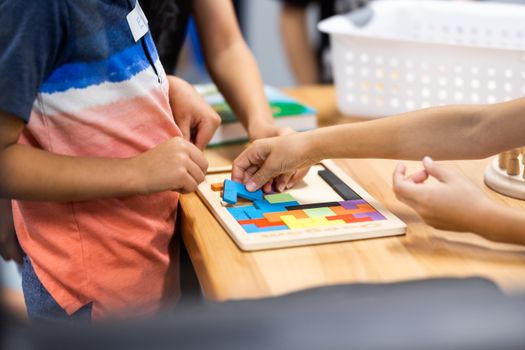 Photo: Caleb Oquendo / Pexels
 Photo: Gary Barnes / Pexels
 Photo: https://kaboompics.com/ / Pexels