Car Rental Italy with Winter Tires: Your Essential Guide
car rental Italy winter tires

Car Rental Italy with Winter Tires: Your Essential Guide

Master Italy's winter roads with confidence. This guide equips you with crucial knowledge for safe and compliant car rental.

Plan Your Winter Drive

Key Takeaways

  • ✓ Winter tires or snow chains are mandatory in many Italian regions from November 1st to April 15th.
  • ✓ Ignoring winter tire regulations can result in hefty fines and safety risks.
  • ✓ Rental car companies may charge extra for winter tires or snow chains.
  • ✓ Booking winter-equipped vehicles in advance is highly recommended, especially for popular winter destinations.

How It Works

1
Understand Italian Winter Regulations

Familiarize yourself with the specific dates and regional requirements for winter tires or snow chains in Italy. This varies by province and road type.

2
Book Your Rental Car Wisely

When reserving, explicitly request a vehicle equipped with winter tires or confirm their availability. Check the terms and conditions regarding winter equipment.

3
Verify Equipment at Pickup

Before leaving the rental agency, confirm that the vehicle has the correct winter tires installed or that snow chains are provided and you know how to use them.

4
Drive Safely and Compliantly

Adhere to local speed limits and road conditions. Be prepared for sudden weather changes, especially in mountainous areas, and always carry necessary documentation.

Navigating Italy's Winter Road Regulations: What US Travelers Need to Know
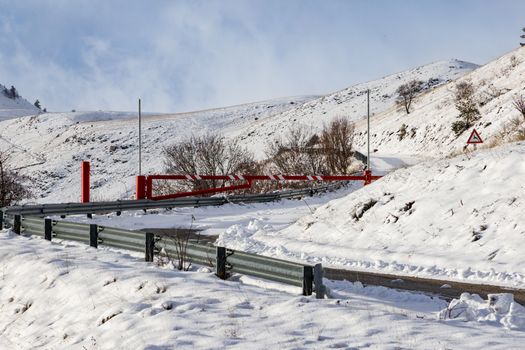
Snow-covered mountain road with red barrier, capturing a serene winter landscape. Photo: Magda Ehlers / Pexels
For US travelers planning a winter adventure through Italy, understanding the local road regulations, particularly concerning winter tires and snow chains, is not merely a recommendation—it's a legal imperative and a critical safety measure. Italy, with its diverse geography ranging from the snowy Alps to the milder southern coasts, implements specific rules to ensure road safety during colder months. Generally, from November 1st to April 15th, it is mandatory for vehicles to be equipped with either winter tires (pneumatici invernali) or to carry snow chains (catene da neve) on board, ready for use. However, this isn't a blanket rule across the entire country. The specific dates and requirements can vary significantly by region, province, and even individual road sections, often indicated by road signs. These signs typically feature a tire symbol or a snow chain symbol, sometimes accompanied by the text "obbligo di pneumatici invernali o catene a bordo" (obligation of winter tires or chains on board). Ignoring these regulations can lead to substantial fines, typically ranging from €41 to €168, and in some cases, can even result in your vehicle being impounded. More importantly, driving without appropriate winter equipment in adverse conditions significantly compromises safety, increasing the risk of accidents. For US drivers accustomed to different winter driving norms, this can be a significant adjustment. Unlike some US states where winter tires are recommended but not always legally mandated, Italy's approach is stricter, prioritizing collective road safety. When you plan your Italian road trip during winter, it's essential to research the specific regions you intend to visit. Major highways and mountain passes are almost always subject to these rules. For instance, northern regions like Trentino-Alto Adige, Aosta Valley, and Lombardy, known for their ski resorts and alpine landscapes, strictly enforce these regulations. Even central regions like Tuscany or Umbria, which might experience less severe winters, can have specific roads or periods where winter equipment is required. Rental car companies are aware of these regulations, but it's the renter's responsibility to ensure compliance. When booking your car rental Italy with winter tires, explicitly requesting this equipment is crucial. Do not assume it will be included by default, especially if you book a standard vehicle. Some rental agencies offer winter tires as an optional extra, while others might include them in a 'winter package' during the mandatory period for certain vehicle categories. Always confirm the type of tires on your rental vehicle at pickup. Look for the 'M+S' (Mud and Snow) marking or the 'three-peak mountain snowflake' (3PMSF) symbol on the tire sidewall, which indicates a true winter tire. If snow chains are provided, ensure they are the correct size for your tires and that you understand how to fit them, as practice can save you considerable hassle in a real-world scenario. Being well-informed and proactive about these regulations will ensure a safer, more enjoyable, and compliant driving experience across Italy's beautiful winter landscapes. This proactive approach is key to a stress-free journey, allowing you to focus on the stunning scenery rather than worrying about legal compliance or safety hazards. Understanding the nuances of European driving laws can significantly enhance your travel experience and prevent unforeseen issues.

Securing Your Winter-Ready Rental: Tips for US Travelers

A BMW car expertly drifts on a snow-covered track, showcasing winter motorsport skills. Photo: Aliaksei Semirski / Pexels
For US travelers, securing a car rental in Italy that is properly equipped for winter conditions requires foresight and careful planning. The process begins long before you arrive at the rental counter. The first and most critical step is to book your rental car well in advance, especially if you're traveling during peak winter season or to popular ski destinations. Demand for winter-equipped vehicles can be high, and last-minute availability is often limited, leading to higher prices or the inability to secure a suitable car. When making your reservation online or through a travel agent, explicitly look for options that include winter tires or mention 'winter package' inclusions. Many online booking platforms now have filters or specific notes regarding winter equipment. If not, it is imperative to contact the rental company directly to confirm. Do not rely on generic booking confirmations that don't specify winter tires. Be prepared for additional costs. While some premium rental categories or 'winter packages' might include winter tires, most standard rentals will charge an extra daily or per-rental fee for this essential equipment. This fee can vary significantly between companies and locations, so factor it into your overall budget. Inquire about the cost of winter tires versus snow chains. Sometimes, snow chains are offered at a lower price point or even included for free, but remember that chains are only for severe snow and ice, not for general cold-weather driving, and they have strict speed limits when in use. Winter tires, on the other hand, offer superior grip and braking performance on cold, wet, snowy, and icy roads, making them a safer choice for continuous winter driving. Upon arrival at the rental desk, reiterate your request for a winter-equipped vehicle. Carefully review your rental agreement to ensure that winter tires or snow chains are explicitly listed. If the agent claims they are included but not documented, ask for it in writing. Before driving away, conduct a thorough inspection of the vehicle. Visually confirm that the tires are indeed winter tires (look for the M+S or 3PMSF symbols). If you've opted for snow chains, ensure they are present in the trunk, are the correct size for your tires, and are in good condition. If you're unfamiliar with fitting snow chains, ask the rental agent for a demonstration or instructions. Some companies provide a small leaflet with diagrams. It's far better to learn this in a warm, well-lit environment than on the side of a snowy mountain road in the dark. Also, inquire about emergency contact numbers and roadside assistance procedures. In winter conditions, breakdowns or accidents can be more challenging. Knowing who to call and what steps to take can alleviate stress. Finally, consider the type of vehicle. While a small city car might be fine for urban driving, if you plan to venture into mountainous regions, a vehicle with higher ground clearance or all-wheel drive (AWD) in conjunction with winter tires can offer an added layer of confidence and capability. By following these detailed steps, US travelers can significantly enhance their safety and peace of mind when renting a car in Italy during the winter months, ensuring a smooth and compliant journey through its stunning winter landscapes.

You may also find Noleggio auto in Italia useful.

Driving Safely in Italian Winter Conditions: Essential Practices

Driving in Italy during winter, especially in regions prone to snow and ice, demands a different approach than fair-weather driving or even winter driving in some parts of the US. Beyond having the correct equipment like winter tires or snow chains, adopting specific driving practices is paramount for safety. The first and most crucial practice is to adjust your speed. Even with winter tires, braking distances on cold, wet, snowy, or icy roads are significantly longer. Reduce your speed, especially on curves, descents, and shaded areas where ice might persist. Italian roads, particularly in mountainous areas, can be winding and steep, making careful speed management even more critical. Maintain a greater following distance from the vehicle ahead. The general rule of thumb is to double or even triple your usual following distance in adverse conditions. This provides more time to react to sudden stops or unexpected hazards. Smooth and gentle inputs are key. Avoid sudden acceleration, harsh braking, or sharp steering wheel movements, as these can easily lead to a loss of traction. Accelerate slowly and gradually, using a higher gear if possible to reduce torque to the wheels. When braking, apply gentle, progressive pressure. If your car has ABS (Anti-lock Braking System), you'll feel a pulsating sensation during hard braking on slippery surfaces; continue to press the pedal firmly. If you encounter black ice, which is invisible, try to remain calm, keep the steering wheel straight, and gently ease off the accelerator without braking or making sudden movements until you regain traction. Understanding vehicle dynamics in winter can be a lifesaver. Visibility can also be a major challenge in Italian winters due to fog, heavy rain, or snowfall. Ensure your headlights are on (low beams are often sufficient and less reflective in fog), and use fog lights if visibility is severely reduced. Keep your windshield and windows clear of snow and ice, and ensure your washer fluid reservoir is full and contains an antifreeze solution. Be extra vigilant for road signs indicating changes in conditions or mandatory equipment. These signs are often temporary and can appear unexpectedly, especially when entering higher elevations or specific mountain passes. If you encounter heavy snowfall and have snow chains, pull over safely to a designated area to fit them. Do not attempt to fit them on the side of a busy road or in an unsafe location. Before embarking on longer journeys, check the weather forecast and road conditions for your entire route. Websites and apps from Italian road authorities (e.g., Autostrade per l'Italia) can provide real-time updates. Consider delaying your trip if severe weather is predicted. Always carry an emergency kit in your car, including a phone charger, warm blankets, water, some non-perishable food, a first-aid kit, and a high-visibility vest (mandatory in Italy if you exit your vehicle on a road). By combining the right equipment with cautious and informed driving practices, your car rental Italy with winter tires will provide a safe and memorable experience, allowing you to fully appreciate the beauty of Italy's winter landscape without undue stress or risk.

Common Mistakes and Essential Tips for Winter Car Rental in Italy

Even with careful planning, US travelers can make common mistakes when renting a car in Italy during winter. Avoiding these pitfalls and adhering to essential tips will significantly enhance your experience. **Common Mistakes to Avoid:** * **Assuming Winter Tires are Included:** This is perhaps the most frequent error. Never assume. Always confirm explicitly with the rental agency that winter tires are fitted or available, and ensure it's noted on your contract. * **Underestimating Regional Variations:** Italy's regulations are not uniform. What's mandatory in the Dolomites might be optional in Sicily. Not researching the specific rules for your intended travel regions can lead to fines. * **Ignoring Snow Chain Practice:** If you're provided with snow chains, don't wait until you're stuck in a blizzard to figure out how to install them. Practice beforehand in a safe, dry environment. * **Over-relying on GPS:** While helpful, GPS systems don't always account for real-time road closures due to snow or ice. Cross-reference with local road condition reports. * **Packing Inappropriately for Emergencies:** A breakdown in winter can be serious. Not having warm clothing, water, or a charged phone can turn a minor inconvenience into a major problem. **Essential Tips for a Smooth Winter Rental:** * **Book Early:** High demand for winter-equipped cars means booking several months in advance is advisable, especially for popular destinations. * **Read the Fine Print:** Scrutinize your rental agreement for clauses related to winter equipment, additional fees, and insurance coverage in winter conditions. * **Check Tire Markings:** At pickup, visually confirm the M+S or 3PMSF symbol on the tires. If you're unsure, ask the rental agent for clarification. * **Carry an Emergency Kit:** Include blankets, water, snacks, a fully charged power bank for your phone, a first-aid kit, a flashlight, and a high-visibility vest. * **Know Your Route:** Plan your daily routes considering potential weather impacts. Have alternative routes in mind if main roads are closed. * **Understand Insurance Coverage:** Verify if your rental insurance covers damage incurred while driving in winter conditions or if specific winter-related coverage is needed. Some credit card coverages might have exclusions. * **Learn Basic Italian Road Signs:** Familiarize yourself with signs indicating mandatory winter equipment, snow chains required, or road closures. By being proactive and informed, you can mitigate risks and ensure your car rental Italy with winter tires is a safe, compliant, and enjoyable part of your Italian winter adventure.

Comparison

FeatureWinter TiresSnow ChainsAll-Season Tires
Legal Compliance✓ (most regions)✓ (carry or use)✗ (often insufficient)
Performance on Snow/IceExcellentSuperior (severe conditions)Poor
Performance on Cold/WetVery GoodN/A (only for snow)Fair
Ease of UseInstall onceInstall/Remove as neededAlways on
Speed LimitStandardVery Low (30-50 km/h)Standard
Cost (Rental Add-on)ModerateLow to ModerateIncluded (standard)

What Readers Say

"Booking our car rental in Italy with winter tires was a game-changer for our Dolomites trip. The car handled beautifully on snowy mountain roads, giving us immense peace of mind and allowing us to explore without worry."

Sarah J. · Denver, CO

"We followed the advice to explicitly request winter tires for our rental in Tuscany, even though it wasn't deep winter. The added grip on cold, wet roads was noticeable and made driving through the hills much safer and more comfortable."

Mark T. · Seattle, WA

"After a scary experience in Europe years ago, I made sure my car rental Italy with winter tires was confirmed. The rental company provided a well-equipped vehicle, and we navigated the Aosta Valley seamlessly, reaching all our ski destinations on time."

Emily R. · Boston, MA

"While the winter tires were an extra cost, they were absolutely worth it. My only minor critique is that the rental company didn't proactively offer them, I had to specifically ask. Still, the safety benefit was undeniable."

David L. · Chicago, IL

"Our family trip to Italy in December required careful planning. The car rental with winter tires meant we didn't have to worry about local regulations or unexpected snow, making our journey from Milan to Lake Como and back incredibly smooth."

Jessica M. · Portland, OR

Frequently Asked Questions

Are winter tires mandatory for car rental in Italy?

Yes, in many Italian regions, winter tires or snow chains are mandatory from November 1st to April 15th. This applies to specific roads and regions, particularly in mountainous areas. Ignoring these regulations can result in fines and safety risks, so always confirm requirements for your specific itinerary.

Will my rental car automatically come with winter tires in Italy?

No, it's a common misconception that rental cars automatically come with winter tires. While some rental companies might include them in 'winter packages' or for specific vehicle categories during the mandatory period, it's crucial to explicitly request and confirm their inclusion when booking and at pickup. Expect an additional charge for them.

How do I ensure my rental car has winter tires?

When booking, select options that specify winter tires or contact the rental agency directly to add them. At pickup, visually inspect the tires for 'M+S' or '3PMSF' markings and ensure they are noted on your rental agreement. If snow chains are provided, confirm they are the correct size and know how to use them.

How much extra do winter tires cost for a rental car in Italy?

The cost for winter tires can vary significantly, typically ranging from €5 to €15 per day, or a flat fee per rental, depending on the rental company and location. Some companies might offer a 'winter package' that bundles them with other features. Always inquire about the exact cost when booking.

Are snow chains an alternative to winter tires in Italy?

Yes, carrying snow chains is often an acceptable alternative to having winter tires installed, particularly in regions where winter equipment is mandatory. However, snow chains are only for severe snow and ice conditions and have strict speed limits when in use. Winter tires offer better all-around performance in cold, wet, and snowy conditions.

Who should prioritize car rental Italy with winter tires?

Anyone traveling to Italy between November and April, especially if planning to visit mountainous regions like the Dolomites, Alps, or even central Italian hills, should prioritize a car rental with winter tires. It's also highly recommended for those who value safety and want to avoid potential fines, regardless of their specific itinerary.

What if I get caught without winter tires where they are mandatory?

If caught without the required winter equipment in a mandatory zone, you could face fines ranging from €41 to €168. In some cases, authorities may prevent you from continuing your journey or even impound your vehicle until you comply with the regulations, leading to significant delays and inconvenience.

What are future trends for winter car rental in Italy?

Future trends may include more integrated booking options for winter equipment, potentially increased availability of all-wheel-drive vehicles with winter tires as standard in certain regions, and greater emphasis on electric vehicles with specialized winter battery management and tire options to meet evolving environmental and safety standards.

Don't let winter weather deter your Italian adventure. By understanding the regulations and proactively securing your car rental Italy with winter tires, you ensure a safe, compliant, and unforgettable journey. Plan ahead, drive smart, and embrace the beauty of Italy's winter landscapes with confidence.

Topics: car rental Italy winter tiresdriving in Italy winterItaly winter road regulationsrental car snow chains Italywinter driving Italy tips
Leo List
Brampton weed
Adultwork