Best Educational Podcasts for Kids Age 5-8
educational podcasts for kids age 5-8

Best Educational Podcasts for Kids Age 5-8

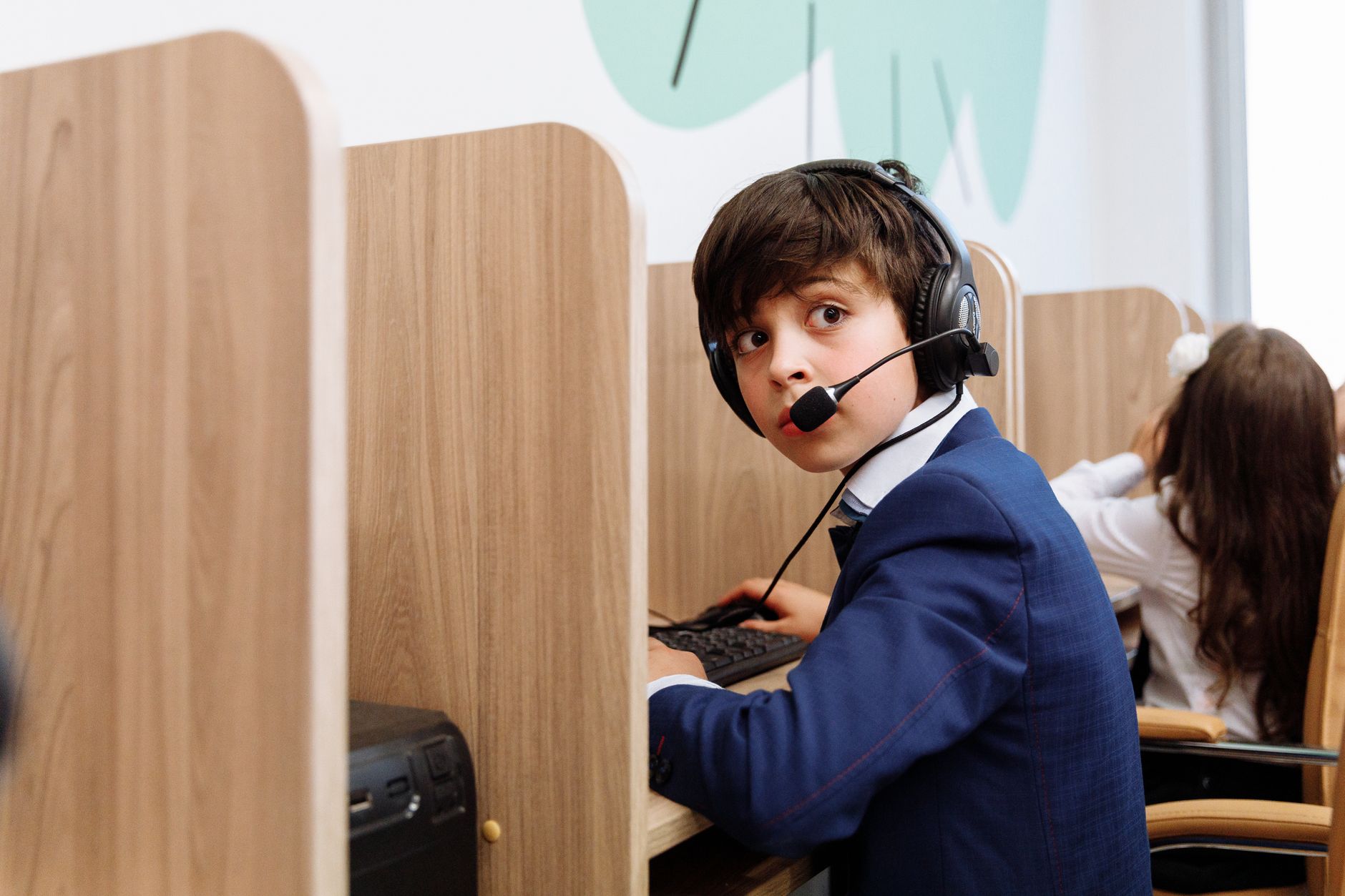
A boy in a blue suit wearing headphones focused in an educational setting with wooden cubicles.Photo: Thirdman / Pexels

Best Educational Podcasts for Kids Age 5-8

Unlock a world of imaginative learning and discovery for your young ones with engaging audio adventures.

Explore Podcasts Now

Key Takeaways

  • ✓ Podcasts enhance listening comprehension and imagination.
  • ✓ Many educational podcasts are designed by educators and child development experts.
  • ✓ They offer a screen-free alternative for learning and entertainment.
  • ✓ Topics range from science and history to storytelling and mindfulness.

How It Works

1
Choose a Podcast

Browse our curated list of top educational podcasts tailored for children aged 5-8. Consider your child's interests and learning goals.

2
Download or Stream

Access podcasts through popular platforms like Apple Podcasts, Spotify Kids, or dedicated apps. Many offer offline listening for convenience.

3
Listen Together

Enjoy the podcast with your child, or let them listen independently. Encourage discussion afterward to reinforce learning and engagement.

4
Explore and Learn

Use the podcast as a springboard for further exploration. Many shows offer companion activities or discussion guides to extend the learning.

Why Educational Podcasts are a Game-Changer for Young Learners

Engaged group of children in a thoughtful moment captured in black and white.Photo: Chris John / Pexels
In an increasingly digital world, it's easy for children to spend countless hours glued to screens. While digital media certainly has its place, the rise of educational tools like podcasts offers a refreshing, screen-free alternative that stimulates young minds in unique ways. For kids aged 5-8, this auditory medium is particularly powerful. At this developmental stage, children are rapidly expanding their vocabulary, developing critical listening skills, and honing their ability to form mental images. Educational podcasts tap directly into these burgeoning capabilities, transforming passive listening into active engagement. Unlike visual media, podcasts demand that children create their own mental landscapes, visualizing characters, settings, and actions based solely on sound. This active imagination fosters creativity and strengthens cognitive muscles that are essential for problem-solving and abstract thinking. Furthermore, listening to well-produced educational content exposes children to a rich tapestry of language, including new words, sentence structures, and narrative techniques, all delivered in an engaging, conversational tone. This exposure can significantly boost their literacy development, preparing them for reading comprehension and written expression. Beyond cognitive benefits, podcasts also offer a unique opportunity for focused attention. In a world full of distractions, sitting and listening to a story or an informational segment requires sustained concentration. This skill is invaluable for academic success and everyday life. Many podcasts designed for this age group incorporate elements of play, humor, and interactive segments, ensuring that learning remains fun and accessible. They cover a vast array of subjects, from the wonders of the natural world and historical events to complex scientific concepts broken down into digestible, kid-friendly explanations. The beauty lies in their accessibility: whether on a road trip, during quiet playtime, or as part of a bedtime routine, educational podcasts seamlessly integrate into a child's day, making learning an ongoing adventure rather than a chore. They provide a vital avenue for exploring new interests and deepening understanding, all while nurturing the intrinsic curiosity that is so characteristic of children aged 5-8. It's a powerful way to make learning an immersive and personal experience, fostering a love for knowledge that can last a lifetime.

Top Picks: The Best Educational Podcasts for Kids Age 5-8

A mother and her son share a joyful online learning experience at home, smiling and engaged.Photo: Ivan S / Pexels
Navigating the vast sea of podcasts to find truly educational and engaging content for young children can be daunting. To help you get started, we've compiled a list of some of the best educational podcasts specifically tailored for children aged 5-8, focusing on their developmental needs and interests. These shows excel in delivering content that is both informative and entertaining, encouraging active listening and sparking curiosity. First on our list is 'But Why: A Podcast for Curious Kids.' Produced by Vermont Public Radio, this podcast tackles complex questions submitted by kids themselves, covering everything from science and nature to emotions and everyday phenomena. The hosts interview experts in a way that is understandable and captivating for young listeners, making learning feel like a grand investigation. Another standout is 'Story Pirates.' This unique podcast takes stories written by kids and adapts them into hilarious sketch comedy and musical theater. It’s an incredible celebration of children's creativity and storytelling, often introducing valuable lessons about imagination, collaboration, and embracing individuality. For budding scientists and nature enthusiasts, 'Brains On!' from American Public Media is a must-listen. This award-winning podcast explores fascinating scientific topics with sound effects, humor, and expert interviews, answering questions like 'Why do we have eyebrows?' or 'How do rainbows work?' It makes science accessible and exciting. Similarly, 'Wow in the World' by NPR is a fantastic choice, guiding listeners on a journey through the latest scientific discoveries and technological advancements in a way that's both mind-boggling and humorous. Hosts Guy Raz and Mindy Thomas have a knack for making complex topics incredibly engaging. If your child loves stories, 'Circle Round' from WBUR adapts folk tales and myths from around the world into sound-rich radio plays. Each episode explores themes like kindness, persistence, and generosity, often ending with a related discussion question, making it perfect for family listening and reflection. For a more direct approach to social-emotional learning, 'Peace Out' offers guided meditations and mindfulness stories designed to help children relax and manage their emotions. It’s a wonderful tool for promoting calm and self-awareness. Finally, 'Good Night Stories for Rebel Girls' brings inspiring tales of extraordinary women from history and modern times to life, encouraging young girls (and boys!) to dream big and challenge stereotypes. Each of these podcasts offers a unique gateway to learning, proving that educational content can be as thrilling and imaginative as any adventure story, all while being completely screen-free.

Maximizing the Learning Experience: Tips for Parents

Mother and daughter with afro hair using a tablet together indoors, symbolizing love and togetherness.Photo: Kampus Production / Pexels
Simply pressing play on an educational podcast is a great start, but with a few intentional strategies, parents can significantly amplify the learning experience for their 5-8 year olds. The goal is to transform passive listening into active engagement and deeper comprehension, making the podcast a springboard for further exploration and discussion. One of the most effective ways to do this is by listening together whenever possible. This shared experience creates opportunities for immediate interaction. Pause the podcast occasionally to ask open-ended questions like, "What do you think will happen next?" or "Why do you think that character made that choice?" For informational podcasts, you might ask, "What was the most interesting fact you learned?" or "Can you explain that concept in your own words?" These questions encourage critical thinking and ensure your child is actively processing the information, not just hearing it. Extend the learning beyond the audio. Many educational podcasts offer companion resources, such as activity sheets, discussion guides, or links to related websites. Utilize these to reinforce concepts and provide hands-on learning. For example, if a podcast episode is about animals, follow up with a trip to the zoo, read a non-fiction book about that animal, or even draw pictures inspired by what they heard. If the podcast features a historical event, look at pictures or videos of that time period. This multi-sensory approach helps solidify new knowledge and makes learning more concrete for young children. Remember, the auditory experience is just one piece of a rich holistic learning environment. Encourage creativity and imaginative play inspired by the podcasts. After listening to a story podcast, suggest your child draw a scene from the story, act it out with toys, or even create their own version of the ending. For science podcasts, perhaps they can conduct a simple home experiment related to the topic. This creative expression not only reinforces the content but also fosters problem-solving skills and imaginative thinking. Finally, make podcast listening a regular, enjoyable routine. Whether it's during car rides, meal prep, or as a calming activity before bedtime, consistency helps children anticipate and value this unique form of learning. By actively participating and extending the themes, parents can ensure that educational podcasts become a powerful and cherished tool in their child's developmental journey, fostering a lifelong love of learning and discovery.

Common Mistakes to Avoid When Introducing Podcasts to Kids

Smiling boy wearing headphones and glasses, holding a book against a plain dark background.Photo: Atlantic Ambience / Pexels
While educational podcasts offer a wealth of benefits, certain pitfalls can hinder their effectiveness or even turn kids off to the medium. Being aware of these common mistakes can help parents create a more positive and productive listening experience. One frequent error is choosing podcasts that are developmentally inappropriate. A show that's perfect for a 10-year-old might be too complex or have themes that are too mature for a 5-year-old, leading to frustration, boredom, or even anxiety. Always preview a few minutes of an episode yourself to gauge its suitability in terms of vocabulary, pacing, and subject matter for your child's specific age and emotional maturity. Another mistake is forcing children to listen to content they simply aren't interested in. While exposure to new topics is good, if a child shows consistent disinterest after a few attempts, it's better to pivot to another podcast. Pushing a topic they dislike can associate podcast listening with a chore rather than an enjoyable learning activity. There are hundreds of fantastic educational podcasts out there; finding one that aligns with your child's current curiosities is key to sustained engagement. Over-scheduling podcast time is also a pitfall. While consistency is good, bombarding children with too much auditory input can lead to burnout. Podcasts should be a complement to other activities like reading, outdoor play, and creative arts, not a replacement for them. Ensure there's a healthy balance in their daily routine. Similarly, using podcasts as a constant background noise can diminish their educational value. While some ambient listening is fine, for true learning and comprehension, dedicated, focused listening sessions are more beneficial than having a podcast simply playing while they're deeply engaged in another activity. Finally, neglecting follow-up and discussion is a missed opportunity. As mentioned earlier, the real magic happens when children process and articulate what they've heard. Without discussion, much of the nuanced learning can be lost. Avoid simply handing over headphones and walking away, especially initially. Engaging with your child about the content helps solidify their understanding, encourages critical thinking, and makes the learning a shared, interactive experience. By avoiding these common mistakes, parents can maximize the immense potential of educational podcasts as a powerful tool for their children's development.

Comparison

FeatureBut Why: A Podcast for Curious KidsStory PiratesBrains On!
Target Age5-103-106-12
Main FocusScience, Nature, SocietyCreativity, StorytellingScience, Curiosity
Episode Length20-30 min20-30 min20-30 min
Host Interaction✓ (Kids ask questions)✓ (Kids submit stories)✓ (Kids co-host)
Screen-Free
Companion Activities✓ (Website resources)✓ (Website resources)
Humor LevelMediumHighHigh

What Our Readers Say

5 ★★★★★

"My 6-year-old daughter absolutely adores 'But Why'. She asks so many questions, and this podcast answers them in such a kid-friendly way. It's fantastic for car rides!"

5 ★★★★★

"'Story Pirates' has unlocked my son's imagination. He's 7, and now he's constantly writing his own silly stories, inspired by the show. It's pure creative joy."

5 ★★★★★

"Since we started listening to 'Brains On!', my 5-year-old son has been explaining scientific concepts to me! His vocabulary has expanded, and he's genuinely excited about learning."

4 ★★★★☆

"While most episodes are great, sometimes the topics in 'Wow in the World' can be a bit advanced for my 5-year-old. Still, the hosts make it so fun that he usually stays engaged."

5 ★★★★★

"We use 'Circle Round' for bedtime stories, and it's a game-changer. The stories are beautiful, and the morals are always gentle and thought-provoking. My 8-year-old loves them."

Frequently Asked Questions

What are the best educational podcasts for kids age 5-8?
Some of the top educational podcasts for this age group include 'But Why: A Podcast for Curious Kids,' 'Story Pirates,' 'Brains On!,' 'Wow in the World,' and 'Circle Round.' These podcasts offer a blend of entertainment and education, covering science, storytelling, history, and social-emotional learning in engaging, age-appropriate ways.
Are podcasts safe for young children?
Yes, educational podcasts are generally very safe for young children. They are screen-free, eliminating concerns about visual overstimulation or inappropriate visual content. When choosing podcasts, it's always best for parents to preview an episode or two to ensure the content aligns with their family's values and is developmentally appropriate for their child.
How do I find and play educational podcasts for my child?
You can find and play educational podcasts through various platforms. Popular options include Apple Podcasts (on iOS devices), Spotify Kids, Google Podcasts, or dedicated podcast apps like Pocket Casts. Many podcasts also have their own websites where you can stream episodes directly. Simply search for the podcast by name or browse categories like 'Kids & Family'.
Do educational podcasts cost money?
Most educational podcasts are completely free to listen to, supported by advertising or public radio funding. Some platforms may offer premium subscriptions for ad-free listening or exclusive content, but the core educational episodes are typically accessible at no cost. This makes them a highly affordable learning resource.
How do educational podcasts compare to educational apps or TV shows?
Educational podcasts offer a unique advantage over apps and TV shows by being entirely screen-free. This fosters imagination, improves auditory processing skills, and reduces screen time. While apps and TV shows can be valuable, podcasts specifically challenge children to create mental images and narratives, developing different cognitive muscles than visual media.
Who should use educational podcasts for kids age 5-8?
Educational podcasts are ideal for parents, caregivers, and educators looking for engaging, screen-free learning opportunities for children aged 5-8. They are perfect for long car rides, quiet time at home, or as a supplement to classroom learning, especially for kids who enjoy stories, asking questions, and exploring new ideas through sound.
Can podcasts help with my child's attention span?
Absolutely. Listening to a podcast requires sustained auditory attention, a skill that is increasingly important in a visually-dominated world. Regular engagement with age-appropriate podcasts can help children practice and develop their ability to focus for extended periods, which can translate to improved concentration in other learning environments.
What's the future trend for educational podcasts for kids?
The trend for educational podcasts for kids is towards more interactive formats, personalized learning paths, and deeper integration with educational curricula. We can expect to see more companion activities, enhanced sound design for immersive storytelling, and collaborations with educators to create content that directly supports specific learning outcomes, making them an even more powerful tool in children's education.

Dive into the vibrant world of educational podcasts for kids age 5-8 today and watch your child's imagination and knowledge soar. With captivating stories, fascinating facts, and engaging hosts, these screen-free adventures are the perfect way to foster a lifelong love of learning.

Topics: educational podcasts for kids age 5-8children's learning podcastskids audio educationscreen-free learningpreschool podcasts
Leo List
Brampton weed
Adultwork