
Unlocking Your Potential: The Benefits of Lifelong Learning
benefits of lifelong learning

Unlocking Your Potential: The Benefits of Lifelong Learning

Embrace continuous education to adapt, thrive, and achieve personal and professional fulfillment in an ever-changing world.

Start Learning Today

Key Takeaways

  • ✓ Lifelong learning enhances cognitive function and memory, reducing the risk of age-related decline.
  • ✓ It boosts career prospects, leading to higher earning potential and job satisfaction.
  • ✓ Continuous learning fosters adaptability, a crucial skill in today's rapidly evolving job market.
  • ✓ Engaging in lifelong learning improves self-confidence and overall mental well-being.

How It Works

1
Identify Your Learning Goals

Reflect on your personal and professional aspirations. Determine what knowledge or skills will help you achieve these goals and bring you greater satisfaction.

2
Explore Learning Avenues

Research various platforms like online courses, workshops, books, or mentorships. Choose methods that align with your learning style and schedule.

3
Integrate Learning into Routine

Allocate dedicated time for learning each week, even if it's just 30 minutes daily. Consistency is key to building sustainable learning habits.

4
Apply and Reflect

Actively apply new knowledge or skills in real-world scenarios. Regularly reflect on what you've learned and how it impacts your growth.

Elevating Your Career and Professional Development
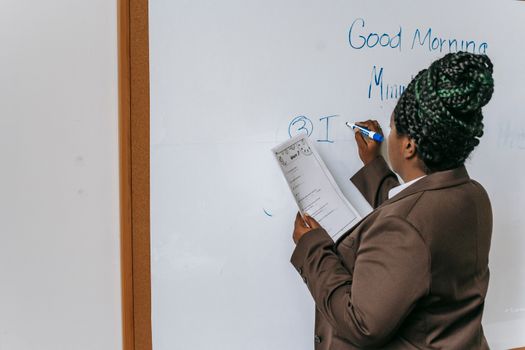
Back view anonymous African American female teacher wearing formal suit writing information on paper in auditorium Photo: Katerina Holmes / Pexels
In today's dynamic global economy, the notion of a 'job for life' is increasingly obsolete. Industries are transforming at an unprecedented pace, driven by technological advancements, shifting consumer demands, and evolving global landscapes. For professionals in the United States and beyond, the ability to adapt and continuously acquire new skills is not just an advantage; it's a necessity for survival and growth. This is where the profound benefits of lifelong learning truly shine, particularly in the realm of career and professional development. One of the most immediate and tangible advantages of continuous learning is enhanced employability. As automation and artificial intelligence reshape job roles, individuals who proactively upskill and reskill themselves remain relevant and attractive to employers. For instance, a marketing professional who learns data analytics or a software engineer who masters a new programming language significantly expands their market value. This proactive approach safeguards against job displacement and opens doors to new opportunities that might not have existed just a few years prior. Companies are increasingly prioritizing candidates who demonstrate a commitment to learning and development, recognizing that such individuals are more likely to drive innovation and contribute to long-term success. Investing in education, even after formal schooling, is a strategic move for any career-minded individual. Beyond mere employability, lifelong learning is a powerful catalyst for career advancement and increased earning potential. Studies consistently show a correlation between higher education levels, continuous skill acquisition, and elevated salaries. When you master new competencies, you become eligible for promotions, take on more complex and higher-paying responsibilities, and even transition into leadership roles. For example, an entry-level employee who dedicates time to learning project management or strategic planning principles can position themselves for a management position. Furthermore, the knowledge gained through continuous learning can empower individuals to identify and capitalize on emerging market trends, leading to entrepreneurial ventures or specialized consulting roles that command premium rates. Lifelong learning also significantly boosts job satisfaction and engagement. Monotony and stagnation are common causes of professional burnout. By consistently learning new things, you introduce novelty, challenge, and purpose into your work. This intellectual stimulation keeps your mind engaged, preventing boredom and fostering a sense of accomplishment. Imagine a teacher who learns new pedagogical techniques, a doctor who stays abreast of the latest medical research, or a financial advisor who understands emerging investment strategies – their work remains fresh, exciting, and impactful. This renewed sense of purpose and competence translates into greater enjoyment of one's profession and a reduced likelihood of job dissatisfaction. It's about more than just staying ahead; it's about finding deeper meaning in your professional journey and continually striving for excellence. The pursuit of knowledge itself becomes a rewarding aspect of your career.

Boosting Personal Growth and Cognitive Vitality

A person enjoys a relaxing reading session indoors, holding an open book on a comfy couch. Photo: Castorly Stock / Pexels
While the professional benefits of lifelong learning are often highlighted, its impact on personal growth and cognitive vitality is equally, if not more, profound. Engaging in continuous education extends far beyond job skills; it enriches your life in multifaceted ways, fostering intellectual curiosity, enhancing mental resilience, and promoting overall well-being. This journey of self-improvement is a cornerstone of a fulfilling and adaptable existence. One of the most significant personal advantages is the cultivation of intellectual curiosity and critical thinking. Lifelong learners are inherently curious individuals who question, explore, and seek deeper understanding. This constant engagement with new ideas and perspectives sharpens critical thinking skills, enabling you to analyze information more effectively, make informed decisions, and approach challenges with a more nuanced perspective. Whether you're delving into history, philosophy, science, or a new language, the act of learning expands your worldview and encourages a more open-minded approach to life. This intellectual exercise is akin to a workout for your brain, keeping it agile and responsive. It allows you to connect disparate pieces of information, identify patterns, and develop innovative solutions, not just in your professional life but in everyday problem-solving as well. Furthermore, lifelong learning is a powerful tool for enhancing cognitive function and maintaining mental acuity as you age. Research consistently demonstrates that individuals who engage in mentally stimulating activities, such as learning new skills or subjects, have a lower risk of cognitive decline, including conditions like dementia. Learning challenges your brain to form new neural pathways, improving memory, attention, and processing speed. It's a proactive measure against the natural aging process, helping to preserve cognitive vitality and independence. Imagine learning to play a musical instrument, studying a complex scientific theory, or mastering a new craft – each of these activities stimulates different parts of the brain, keeping it active and healthy. This mental exercise contributes to a sharper mind, better problem-solving abilities, and an overall enhanced quality of life in later years. Beyond cognitive benefits, continuous learning significantly contributes to emotional well-being and self-confidence. The process of setting learning goals, overcoming challenges, and mastering new skills instills a powerful sense of accomplishment and self-efficacy. This boosts self-esteem and reduces feelings of inadequacy or stagnation. When you know you are capable of learning and adapting, you approach new situations with greater confidence and less anxiety. Moreover, learning can be a source of immense personal satisfaction and joy, providing a sense of purpose and fulfillment that extends beyond material achievements. It can also be a pathway to discovering new passions and hobbies, connecting you with like-minded individuals and enriching your social life. This holistic approach to personal development ensures that you are not just growing professionally, but also evolving into a more well-rounded, confident, and contented individual.

Fostering Adaptability and Resilience in a Changing World
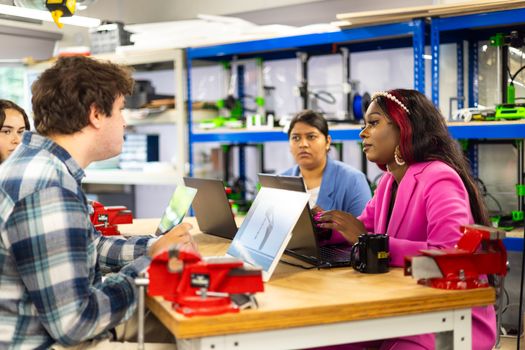
A multicultural team engaging in a collaborative project in a workshop equipped with laptops and tools. Photo: ThisIsEngineering / Pexels
The 21st century is defined by rapid, often unpredictable, change. From technological revolutions to global crises and shifting societal norms, the only constant is flux. In such an environment, the ability to adapt and demonstrate resilience is paramount for both individual well-being and societal progress. Lifelong learning emerges as a critical strategy for cultivating these essential qualities, enabling individuals to navigate uncertainty with greater confidence and effectiveness. It equips us with the mental frameworks and practical skills needed to thrive, rather than merely survive, in an ever-evolving landscape. One of the core ways lifelong learning fosters adaptability is by keeping individuals abreast of new information and trends. When you commit to continuous learning, you're not just acquiring static knowledge; you're developing a dynamic understanding of how the world works and where it's headed. This foresight allows you to anticipate changes, understand their implications, and proactively adjust your strategies, whether in your career, personal finances, or daily life. For instance, someone who continuously learns about climate science and sustainable practices is better equipped to understand environmental challenges and adapt their lifestyle or business accordingly. Similarly, a professional who stays updated on cybersecurity threats can better protect their organization's data. This constant influx of new information helps to break down rigid thinking patterns, encouraging a more flexible and open-minded approach to problem-solving. It's about being a perpetual student of life, always ready to integrate new data into your understanding of the world. Continuous education is the antidote to obsolescence. Furthermore, the very act of learning instills a growth mindset, a psychological framework crucial for resilience. A growth mindset, as opposed to a fixed mindset, believes that abilities and intelligence can be developed through dedication and hard work. When you regularly engage in learning, you inherently practice this mindset: you encounter challenges, make mistakes, learn from them, and ultimately improve. This iterative process builds mental toughness and a belief in your own capacity to overcome obstacles. It teaches you that setbacks are not failures but opportunities for learning and adjustment. This perspective is invaluable when faced with unexpected life events, such as job loss, economic downturns, or personal crises. Instead of feeling defeated, a lifelong learner is more likely to view such challenges as new problems to solve, new skills to acquire, or new paths to explore. Finally, lifelong learning enhances problem-solving capabilities and creative thinking, both vital components of adaptability. Exposure to diverse subjects and different ways of thinking broadens your intellectual toolkit. You learn to approach problems from multiple angles, draw connections between seemingly unrelated concepts, and generate innovative solutions. This cross-pollination of ideas is a direct result of continuous learning. For example, a designer who studies psychology might create more intuitive user interfaces, or an engineer who learns about art history might develop more aesthetically pleasing and functional products. This ability to synthesize knowledge from various domains makes you a more resourceful and creative individual, capable of navigating complex challenges and contributing novel solutions in any context. In essence, lifelong learning doesn't just teach you what to think; it teaches you how to think, empowering you to adapt and thrive in an ever-changing world.

Practical Tips for Embracing Lifelong Learning
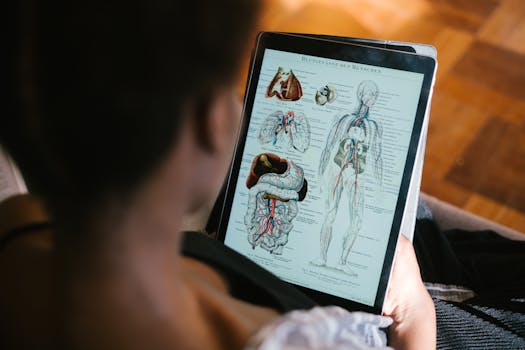
A woman studies anatomy diagrams on a tablet indoors, focusing on educational material. Photo: RF._.studio _ / Pexels
Embarking on a journey of lifelong learning doesn't require a return to formal schooling; it's about integrating continuous personal and professional development into your daily life. The key is to make learning an accessible, enjoyable, and sustainable habit. Here are some practical tips to help you embrace and maximize the benefits of lifelong learning: * **Identify Your Passions and Needs:** Start by reflecting on what genuinely interests you or what skills would significantly benefit your career or personal life. Learning becomes much more engaging when it aligns with your intrinsic motivations or immediate needs. Do you want to learn a new language, understand coding, or delve into historical events? Clarity in your goals will guide your learning path. * **Leverage Online Resources:** The digital age has democratized education. Platforms like Coursera, edX, Khan Academy, LinkedIn Learning, and YouTube offer a vast array of courses, tutorials, and lectures, often for free or at a low cost. You can learn anything from advanced data science to creative writing from top universities and industry experts at your own pace. * **Read Voraciously:** Books, articles, journals, and even reputable blogs are invaluable sources of knowledge. Make reading a daily habit, even if it's just 15-30 minutes. Explore different genres and subjects to broaden your perspective. Libraries, both physical and digital, offer free access to an immense collection of resources. * **Engage with Diverse Perspectives:** Seek out conversations with people from different backgrounds, professions, and cultures. Attend webinars, workshops, or industry conferences. Listening to and engaging with varied viewpoints can challenge your assumptions and expose you to new ideas and ways of thinking. * **Embrace 'Microlearning':** You don't need hours every day. Utilize short bursts of time – during your commute, lunch break, or while waiting – to learn something new. This could be listening to a podcast, watching a short educational video, or reading an article. Consistency over intensity is often more effective. * **Practice and Apply What You Learn:** Knowledge becomes truly powerful when it's applied. Look for opportunities to put your new skills or information into practice. If you're learning a new language, try speaking it; if you're learning to code, start a small project. Application solidifies understanding and reveals areas for further learning. * **Teach Others:** Explaining a concept to someone else is one of the most effective ways to deepen your own understanding. Whether it's mentoring a colleague, explaining a topic to a friend, or contributing to online forums, teaching reinforces your learning and clarifies your thoughts. * **Cultivate a Growth Mindset:** Understand that your intelligence and abilities are not fixed but can be developed through effort and dedication. View challenges as opportunities to learn and grow, rather than as insurmountable obstacles. This mindset is foundational to sustained lifelong learning. * **Set Realistic Goals and Celebrate Progress:** Break down large learning objectives into smaller, manageable steps. Celebrate your achievements along the way, no matter how small. This positive reinforcement will motivate you to continue your learning journey. By integrating these practices into your life, you can transform continuous learning from an abstract concept into a tangible, rewarding habit that enriches every aspect of your existence.

Comparison

FeatureOnline Courses (e.g., Coursera)Traditional University DegreesSelf-Study (Books/Articles)Workshops/Seminars
FlexibilityHigh (self-paced)Low (fixed schedules)Very High (personal pace)Medium (scheduled events)
CostMedium (free to several hundred)Very High (thousands to tens of thousands)Low (cost of materials)Medium (hundreds to thousands)
Accreditation/RecognitionVaries (certificates, some degrees)High (recognized degrees)Low (personal knowledge)Varies (attendance certificates)
Interaction/NetworkingMedium (forums, peer reviews)High (classmates, professors)Low (individual pursuit)High (direct interaction)
Depth of KnowledgeMedium to HighVery HighMedium to High (depends on effort)Medium
Time CommitmentVaries (weeks to months)High (years)Varies (ongoing)Low (days to weeks)
Personalized Learning
Career Advancement ImpactHighVery HighMediumMedium

What Readers Say

"Embracing lifelong learning has completely transformed my career. I learned Python through an online course, which led to a promotion and a significant salary increase, directly experiencing the benefits of lifelong learning."

Sarah J. · Austin, TX

"As a retiree, I've found immense joy and mental stimulation in learning new languages. It keeps my mind sharp and has opened up new travel experiences, truly highlighting the benefits of lifelong learning for cognitive vitality."

Mark D. · Chicago, IL

"After feeling stuck in my role, I started taking courses on digital marketing. Within six months, I was able to launch my own successful freelance business, showcasing the clear benefits of lifelong learning for entrepreneurial ventures."

Jessica L. · Seattle, WA

"While it requires discipline, the personal growth from continuously learning new hobbies and skills is undeniable. Sometimes it's hard to find the time, but the improved perspective and confidence are well worth the effort."

David R. · Miami, FL

"Learning new gardening techniques has not only beautified my home but also connected me with a wonderful community. The benefits of lifelong learning extend beyond professional gains to enriching personal interests and social connections."

Emily P. · Denver, CO

Frequently Asked Questions

What are the primary benefits of lifelong learning?

The primary benefits of lifelong learning include enhanced career opportunities and higher earning potential, improved cognitive function and mental agility, increased adaptability to change, greater personal fulfillment and self-confidence, and expanded social networks. It empowers individuals to remain relevant, engaged, and resilient in all aspects of life.

Is lifelong learning only for career advancement, or does it have other uses?

While lifelong learning certainly boosts career advancement, its utility extends far beyond professional gains. It significantly contributes to personal growth, intellectual curiosity, improved mental health, better decision-making skills, and the ability to adapt to societal changes, making it invaluable for overall well-being and a richer life experience.

How can I start integrating lifelong learning into my busy schedule?

To integrate lifelong learning into a busy schedule, start with small, consistent steps. Dedicate 15-30 minutes daily to reading or watching educational content, utilize microlearning apps during commutes, or listen to educational podcasts. Identify your peak learning times and commit to regular, manageable sessions rather than sporadic, lengthy ones.

What is the cost associated with lifelong learning?

The cost of lifelong learning can vary widely. Many high-quality resources are available for free, such as public libraries, open-source online courses, and educational YouTube channels. Paid options include premium online courses, certifications, workshops, and traditional university programs, ranging from a few dollars to thousands, depending on the depth and accreditation desired.

How does lifelong learning compare to traditional formal education?

Lifelong learning differs from traditional formal education primarily in its structure and duration. While formal education typically has a defined start and end point with structured curricula, lifelong learning is continuous, self-directed, and often informal, focusing on ongoing personal and professional development outside of a fixed academic framework. Both are valuable but serve different purposes.

Who should engage in lifelong learning?

Everyone should engage in lifelong learning, regardless of age, profession, or background. It is particularly beneficial for professionals seeking career advancement, individuals looking to maintain cognitive health, those navigating career transitions, and anyone desiring personal enrichment, improved adaptability, and a deeper understanding of the world around them.

Are there any risks or downsides to engaging in too much lifelong learning?

While generally beneficial, potential downsides could include information overload or the risk of 'analysis paralysis' if not balanced with application. It's important to set clear learning goals, prioritize relevant information, and ensure that learning leads to action and integration into one's life, rather than becoming a passive consumption of content.

What future trends will make lifelong learning even more crucial?

Future trends such as accelerating technological advancements (AI, automation), rapid shifts in job markets, increasing global interconnectivity, and the demand for specialized skills will make lifelong learning indispensable. It will be the key to staying competitive, innovative, and resilient in an increasingly complex and fast-paced future.

Embrace the transformative power of continuous education. Start exploring the immense benefits of lifelong learning today, and unlock your full potential for a richer, more adaptable, and fulfilling life. Your journey of growth begins now.

Topics: benefits of lifelong learningcontinuous educationpersonal growthskill developmentcareer advancement
Leo List
Brampton weed
Adultwork EstrelaBet Vai de Bet R7 Bet Betão Galera Bet Rainbet Bet9ja Shop SportyBet BetKing Sisal Loto Foot Hollywoodbets YesPlay Odibets RushBet Jugabet BetWarrior BetCity MSport betPawa Fortebet