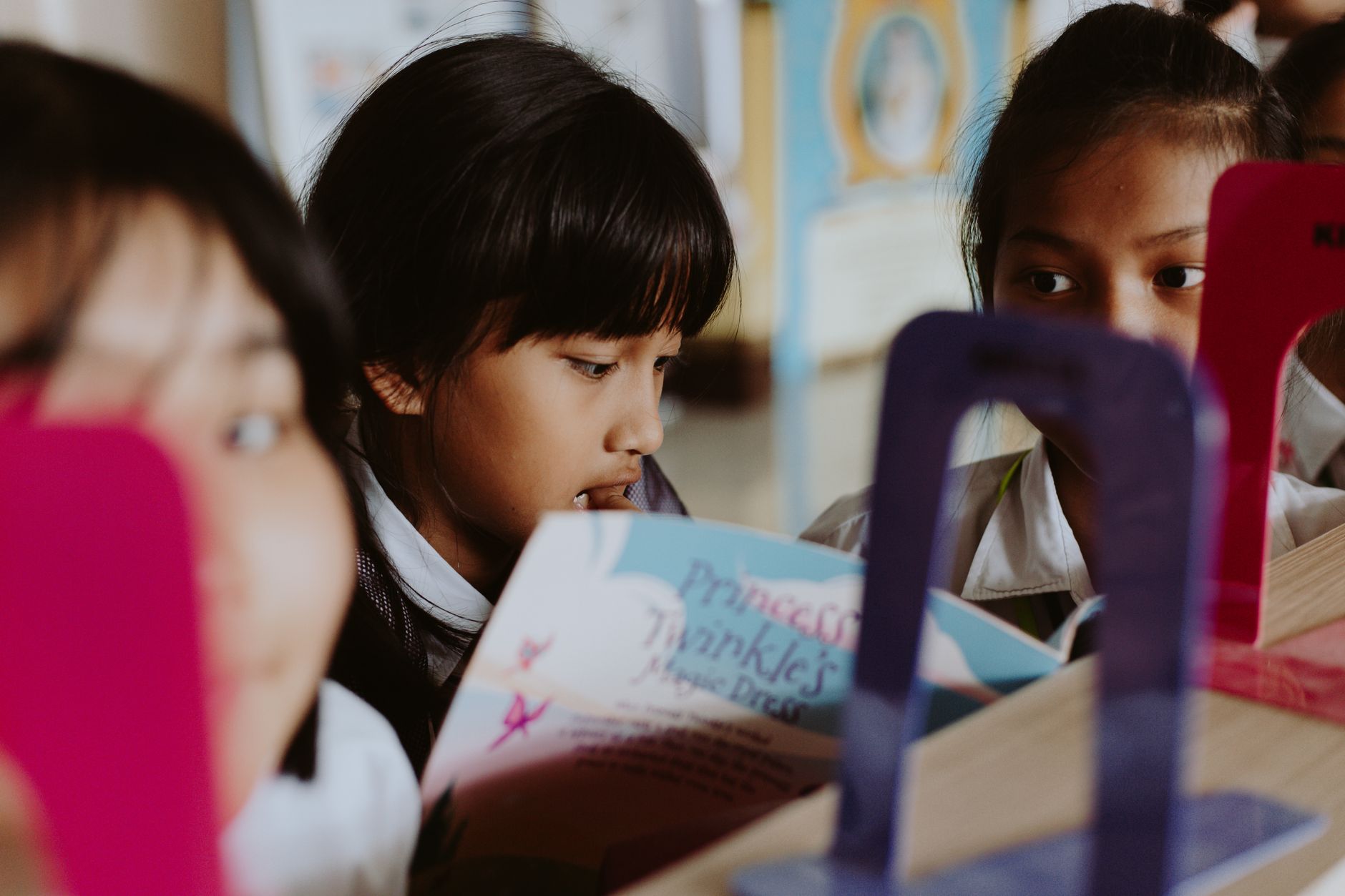
Unlocking Potential: Benefits of Early Childhood Education
benefits of early childhood education

Unlocking Potential: Benefits of Early Childhood Education

Early childhood education lays a crucial foundation for lifelong success, fostering cognitive, social, and emotional growth.

Explore the Benefits

Key Takeaways

  • ✓ Children in high-quality early education programs are 4x more likely to graduate from college.
  • ✓ Early learning can boost lifetime earnings by up to $175,000 per child.
  • ✓ Participation in early education is linked to lower rates of crime and incarceration.
  • ✓ Social-emotional skills developed early are strong predictors of adult success and well-being.

How It Works

1
Structured Learning Environment

Children engage in age-appropriate activities designed to stimulate cognitive development and introduce foundational academic concepts. This structured play fosters curiosity and a love for learning.

2
Social-Emotional Development

Interactions with peers and educators teach crucial social skills like sharing, cooperation, empathy, and conflict resolution. This builds emotional intelligence and prepares them for group settings.

3
Skill Building & Readiness

Programs focus on developing fine motor skills, language acquisition, problem-solving abilities, and independence. These skills are vital for successful transitions to kindergarten and beyond.

4
Parental Engagement & Support

Many programs involve parents, providing resources and strategies to reinforce learning at home. This partnership ensures a consistent and supportive learning environment for the child.

The Cognitive Edge: Boosting Brain Development and Academic Success

A young boy sits at a table with colorful alphabet puzzle pieces on a white background. Photo: MART PRODUCTION / Pexels
The human brain undergoes its most rapid development during the early years, forming over a million new neural connections every second. Early childhood education (ECE) programs are specifically designed to capitalize on this critical period, providing rich, stimulating environments that foster optimal cognitive growth. Far from just babysitting, these programs offer structured play and intentional learning experiences that lay the groundwork for future academic achievement. Children exposed to high-quality ECE often demonstrate superior language skills, developing larger vocabularies and more complex sentence structures. They learn to recognize letters, numbers, shapes, and colors, building foundational literacy and numeracy skills before formal schooling even begins. This early exposure helps children develop a 'growth mindset,' where challenges are seen as opportunities for learning, rather than insurmountable obstacles. Research consistently shows that children who participate in ECE programs perform better on standardized tests, are less likely to be held back a grade, and are more likely to graduate high school and pursue higher education. The Head Start program, for instance, has demonstrated long-term benefits for its participants, including improved cognitive outcomes and greater economic self-sufficiency in adulthood. Beyond direct academic gains, ECE cultivates crucial executive function skills – the mental processes that enable us to plan, focus attention, remember instructions, and juggle multiple tasks. These include working memory, inhibitory control (the ability to resist impulsive actions), and cognitive flexibility (the ability to switch between tasks or thoughts). These skills are not just vital for academic success but are also strong predictors of success in life, including career attainment and overall well-being. By engaging children in problem-solving activities, memory games, and structured routines, ECE helps to strengthen these essential cognitive muscles. This early investment in brain development provides a significant advantage, creating a solid academic foundation that can propel children through their educational journey and beyond. It’s about building the architecture for lifelong learning and intellectual curiosity, making ECE a truly transformative experience for young minds. Discover more about effective learning strategies for young children.

Nurturing Social-Emotional Growth: Building Blocks for Life
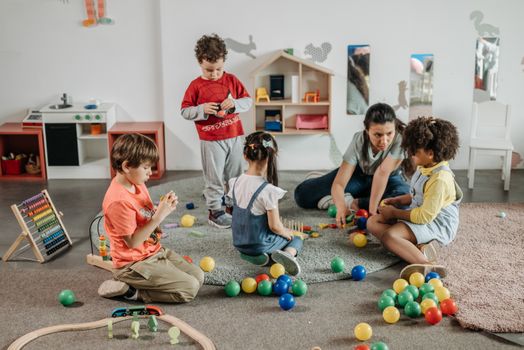
Young children and a teacher engaging in play and learning activities in a preschool setting. Photo: Pavel Danilyuk / Pexels
While academic readiness is a significant benefit, the social-emotional development fostered by early childhood education is arguably just as, if not more, critical for a child's overall success and happiness. In a classroom or group setting, children learn to navigate complex social dynamics, interact with peers from diverse backgrounds, and understand different perspectives. They learn the fundamental skills of sharing, turn-taking, and cooperation, which are essential for building healthy relationships throughout life. These interactions teach children about empathy – the ability to understand and share the feelings of another – a cornerstone of emotional intelligence. Through guided play and structured activities, children practice expressing their emotions in appropriate ways, managing frustration, and resolving conflicts peacefully. Educators in ECE settings are trained to facilitate these interactions, providing scaffolding for children to develop self-regulation skills. For example, a child might learn to use words to express anger instead of hitting, or to wait patiently for their turn at a preferred activity. These are not innate abilities but learned behaviors that require practice and guidance. Developing strong social-emotional skills early on has profound long-term implications. Children with well-developed emotional intelligence tend to have better mental health, higher self-esteem, and are more resilient in the face of adversity. They are also more likely to be successful in their careers, as employers increasingly value soft skills like teamwork, communication, and adaptability. ECE environments provide a safe space for children to experiment with different social roles, learn about boundaries, and develop a sense of belonging. They learn to trust adults outside their family unit, fostering independence and a willingness to explore new experiences. Furthermore, ECE can be particularly beneficial for children who may not have extensive opportunities for social interaction at home, or for those who come from environments where emotional expression is not explicitly taught or encouraged. It provides a consistent, supportive structure where these vital life skills are intentionally nurtured, preparing children not just for school, but for navigating the complexities of human relationships and contributing positively to society. This comprehensive approach ensures that children are not only smart but also kind, empathetic, and well-adjusted individuals.

Bridging Achievement Gaps: Equity and Long-Term Societal Benefits

Children in a kindergarten classroom engaging with letters during a learning session. Photo: Pavel Danilyuk / Pexels
One of the most compelling arguments for widespread access to high-quality early childhood education is its remarkable potential to bridge achievement gaps and foster greater equity. Children from disadvantaged backgrounds often start school with significant deficits in vocabulary, cognitive skills, and social-emotional readiness compared to their more affluent peers. These gaps can widen over time, creating a persistent cycle of educational inequality. ECE programs, particularly those designed to serve at-risk populations, act as powerful interventions, providing these children with the foundational skills and experiences they might otherwise miss. By offering a stimulating and supportive learning environment, ECE can significantly reduce the disparities in school readiness, giving all children a more equitable starting point. Studies like the Perry Preschool Project and the Abecedarian Project have famously demonstrated that high-quality ECE for disadvantaged children leads to substantial, long-lasting benefits. Participants in these programs showed higher rates of high school graduation, college attendance, and employment, along with lower rates of incarceration and reliance on public assistance. These benefits extend beyond the individual child, creating a ripple effect across families and communities. From a societal perspective, investing in early childhood education is an investment in human capital and a more productive future workforce. When more individuals are well-educated and gainfully employed, the economy thrives, and social welfare costs decrease. Research estimates that for every dollar invested in high-quality early childhood education, there is a return of $4 to $9 in terms of increased tax revenue, reduced crime rates, and lower healthcare costs. It’s a powerful economic engine, not just a social program. Furthermore, ECE promotes civic engagement and strengthens communities. Children who develop strong social-emotional skills and a sense of belonging in early learning environments are more likely to become engaged citizens, contributing positively to their communities later in life. This foundational experience cultivates a sense of responsibility and interconnectedness. By providing a universal foundation for learning and development, ECE helps to dismantle systemic inequalities, offering every child the chance to reach their full potential, regardless of their family's socioeconomic status. It's about building a stronger, more equitable society from the ground up. Understand the importance of inclusive education for all learners.

Practical Tips for Choosing an Early Childhood Education Program
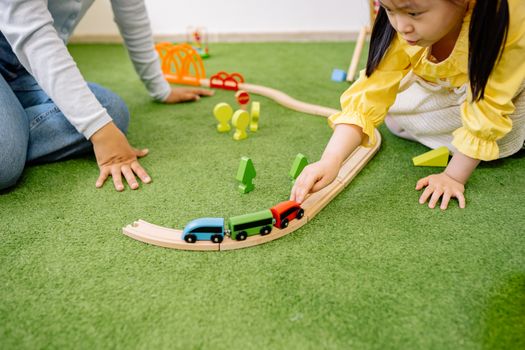
Young girl enjoying playtime with a wooden toy train indoors. Photo: Yan Krukau / Pexels
Selecting the right early childhood education program for your child is a crucial decision that requires careful consideration. Here are some practical tips to guide you through the process and avoid common pitfalls: * **Prioritize Quality Over Proximity:** While convenience is a factor, the quality of the program should always be paramount. Look for programs with low child-to-teacher ratios, highly qualified and experienced educators (ideally with degrees in early childhood education), and a curriculum that emphasizes active, play-based learning rather than rote memorization. Visit multiple centers, observe interactions, and trust your instincts. * **Understand the Curriculum:** Inquire about the specific educational philosophy and curriculum framework (e.g., Montessori, Reggio Emilia, HighScope, play-based). A good program will have a clear structure that promotes holistic development – cognitive, social, emotional, and physical. Ask how they assess progress and communicate it to parents. * **Observe the Environment and Interactions:** During your visit, pay close attention to the atmosphere. Is it warm, welcoming, and stimulating? Are children engaged and happy? Do teachers interact respectfully and enthusiastically with the children? Look for a variety of learning centers, age-appropriate materials, and evidence of children's work displayed. * **Ask About Teacher Qualifications and Turnover:** High staff turnover can be disruptive to children. Inquire about the stability of the teaching staff and their professional development opportunities. Experienced and well-supported teachers are key to a high-quality program. * **Consider Health and Safety Protocols:** Ensure the facility meets all health and safety regulations. Ask about emergency procedures, cleanliness routines, and policies regarding illness. A safe and healthy environment is non-negotiable. * **Engage with Parent Feedback:** If possible, speak to other parents whose children attend the program. Their insights can provide valuable real-world perspectives on the program's strengths and areas for improvement. * **Check Accreditation and Licensing:** Verify that the program is licensed by the state and, if applicable, accredited by recognized national organizations (e.g., NAEYC). These accreditations signify adherence to high standards of quality. By following these tips, you can make an informed decision that will set your child on a path to success and ensure they reap the full benefits of early childhood education.

Comparison

FeatureHigh-Quality ECEStandard DaycareHome-Based CareUnstructured Play Only
Curriculum FocusHolistic, intentional learningSupervision, some activitiesParent-led, variedChild-led, spontaneous
Teacher QualificationsDegree/certification in ECEVaried, often minimalParent/guardianN/A
Social InteractionStructured, diverse peer groupSome peer interactionLimited peer interactionLimited, often solitary
Skill DevelopmentComprehensive, targetedBasic, incidentalDependent on parentRandom, not targeted
Kindergarten ReadinessExcellentGoodVariablePoor
Long-Term OutcomesStrong positive impactModerate positive impactVariableMinimal direct impact
CostHigherModerateLow (time cost)None (time cost)
Structure

What Readers Say

"Sending our daughter to preschool was the best decision. She's learned so much more than just her ABCs; her confidence has soared, and she's developed incredible social skills. The benefits of early childhood education are truly priceless."

Sarah J. · Austin, TX

"We were initially hesitant due to the cost, but seeing our son thrive in his pre-K program has convinced us. He’s more articulate, better at problem-solving, and genuinely excited about learning every day. It's a clear advantage."

Mark P. · Boston, MA

"Our child struggled with shyness, but after just a few months in an early learning center, she's transformed. She now confidently interacts with others and expresses herself beautifully. This program truly unlocked her potential."

Jessica L. · Seattle, WA

"While the academic focus was strong, I initially wished for more outdoor play time. However, the teachers were responsive to feedback, and the social-emotional growth my twins experienced was undeniable. A very positive experience overall."

David R. · Chicago, IL

"As a working parent, knowing my child is in a safe, nurturing, and intellectually stimulating environment gives me immense peace of mind. The skills she's gaining will undoubtedly serve her well throughout her entire life."

Emily H. · Denver, CO

Frequently Asked Questions

What are the primary benefits of early childhood education?

The primary benefits include enhanced cognitive development, improved academic readiness, crucial social-emotional skill building (like empathy, cooperation, and self-regulation), better long-term health outcomes, and a significant reduction in achievement gaps for disadvantaged children. It lays a foundation for lifelong learning and success.

Is early childhood education just glorified babysitting?

No, early childhood education is distinct from mere babysitting. High-quality programs follow structured, age-appropriate curricula designed by educational experts, focusing on holistic child development through intentional play and learning activities. Educators are trained professionals dedicated to fostering cognitive, social, and emotional growth.

How do I choose the best early childhood education program for my child?

To choose the best program, research different educational philosophies (e.g., Montessori, Reggio Emilia), visit potential centers to observe the environment and teacher-child interactions, inquire about teacher qualifications and staff turnover, check for state licensing and accreditation, and ask about health and safety protocols. Prioritize quality and a good fit for your child's personality.

Is early childhood education worth the cost?

Yes, extensive research indicates that high-quality early childhood education offers an excellent return on investment, both for individual children and society. Benefits include higher academic achievement, increased lifetime earnings, reduced crime rates, and lower healthcare costs. The long-term advantages often far outweigh the initial financial outlay.

How does early childhood education compare to learning at home with parents?

While parental involvement is crucial, ECE offers a unique environment for structured social interaction with peers and trained educators. It provides exposure to diverse learning styles, materials, and group dynamics that may be difficult to replicate at home, fostering a broader range of social-emotional and cognitive skills essential for school readiness.

Who should consider enrolling their child in early childhood education?

All parents should consider enrolling their child in early childhood education, as all children can benefit from the structured learning, social interaction, and expert guidance provided. It is particularly beneficial for children from disadvantaged backgrounds who may lack similar resources at home, helping to level the playing field.

Are there any risks or downsides to early childhood education?

When choosing a high-quality program, the risks are minimal. The primary 'downside' can be the cost, but the long-term benefits typically outweigh this. Low-quality programs, however, can be detrimental if they lack trained staff, proper safety, or engaging curricula, which is why careful selection is paramount.

What is the future trend for early childhood education in the US?

The trend in the US is towards increased accessibility and emphasis on high-quality, universal pre-kindergarten programs, often publicly funded. There's also a growing focus on integrating social-emotional learning and personalized approaches, recognizing its critical role in preparing children for a rapidly changing world.

Investing in early childhood education is one of the most impactful decisions you can make for your child's future. Explore the programs available in your community and give your child the gift of a strong foundation for lifelong learning and success. Unlock their full potential today.

Topics: benefits of early childhood educationpreschool advantageschild developmentkindergarten readinesssocial-emotional learning
Leo List

DK Escorts LU Escorts AT Escorts SE Escorts FI Escorts CH Escorts DE Escorts HR Escorts IE Escorts GR Escorts CZ Escorts NO Escorts BE Escorts FR Escorts SI Escorts IL Escorts NL Escorts PL Escorts HU Escorts ES Escorts IT Escorts PT Escorts SK Escorts RO Escorts ZA Escorts UY Escorts US Escorts UK Escorts NZ Escorts AU Escorts
Brampton weed
Adultwork EstrelaBet Vai de Bet R7 Bet Betão Galera Bet Rainbet Bet9ja Shop SportyBet BetKing Sisal Loto Foot Hollywoodbets YesPlay Odibets RushBet Jugabet BetWarrior BetCity MSport betPawa Fortebet