✓ Children in high-quality early childhood education programs are more likely to graduate high school and attend college.
✓ Early education significantly boosts cognitive skills, including literacy and numeracy, before formal schooling.
✓ Social-emotional development, such as empathy and cooperation, is greatly enhanced in structured early learning environments.
✓ Long-term studies show that early childhood education can lead to higher adult earnings and reduced crime rates.
How It Works
1
Stimulating Learning Environments
Children engage with age-appropriate materials and activities designed to foster curiosity and critical thinking. Educators create spaces that encourage exploration and hands-on discovery.
2
Expert Guidance and Interaction
Trained educators provide individualized attention, guiding children through developmental milestones. They facilitate positive peer interactions and model effective communication.
3
Structured Play and Socialization
Play-based learning is central, allowing children to develop social skills, problem-solving abilities, and emotional regulation. They learn to share, cooperate, and resolve conflicts in a safe setting.
4
Foundation for Future Academic Success
Children acquire pre-reading, pre-math, and problem-solving skills, building a strong academic base. This readiness smooths the transition to kindergarten and subsequent schooling.
The Cognitive Edge: Boosting Brain Development and Academic Readiness
Photo: Atlantic Ambience / Pexels
The early years of a child's life are a period of unparalleled brain development, with neural connections forming at an astonishing rate. High-quality early childhood education (ECE) programs are specifically designed to capitalize on this critical window, offering rich, stimulating environments that actively promote cognitive growth. These programs go far beyond simple babysitting; they are carefully structured to introduce foundational concepts in a developmentally appropriate manner. Children are exposed to pre-literacy skills through storytelling, phonological awareness activities, and exposure to a print-rich environment. They begin to recognize letters, understand the concept of words, and develop a love for reading. Similarly, pre-mathematical skills are cultivated through counting games, sorting activities, pattern recognition, and understanding basic shapes. These aren't rote memorization tasks, but rather playful explorations that build intuitive understanding.
Beyond these specific academic precursors, ECE fosters crucial executive functions. Children learn to focus their attention, remember instructions, and manage multiple tasks – skills vital for later academic success. Problem-solving is encouraged through puzzles, block building, and imaginative play where children negotiate solutions and test hypotheses. This early exposure to structured learning and problem-solving cultivates a growth mindset, encouraging children to approach challenges with curiosity rather than frustration. Research consistently shows that children who participate in high-quality ECE programs demonstrate stronger academic performance in elementary school, higher scores on standardized tests, and are less likely to require special education services. They enter kindergarten not just with basic knowledge, but with a robust set of learning-to-learn skills that set them apart. This cognitive advantage is not fleeting; it provides a sustained boost that can influence educational trajectories for years to come. Understanding the profound impact on a child's developing brain underscores one of the most compelling reasons to invest in early education.
Cultivating Character: Social-Emotional Learning and Behavioral Skills
Photo: Polesie Toys / Pexels
While academic gains are often highlighted, the social-emotional benefits of early childhood education are arguably just as, if not more, critical for a child's holistic development and future well-being. ECE settings provide the first structured environment outside the home where children consistently interact with peers and adults who are not family members. This interaction is a powerful crucible for developing vital social skills. Children learn to share toys, take turns, and cooperate on group projects. They experience the give-and-take of friendships, learning to negotiate, compromise, and resolve minor conflicts with guidance from trained educators. These seemingly simple interactions are foundational for building empathy – the ability to understand and share the feelings of others.
Beyond peer interaction, ECE programs are instrumental in developing emotional regulation. Young children often struggle with intense emotions, and a supportive early learning environment provides a safe space to practice identifying, expressing, and managing these feelings. Educators model appropriate emotional responses, teach coping strategies, and help children understand their own and others' emotional states. This leads to reduced aggressive behaviors and an increased capacity for self-control, which are predictive of positive outcomes later in life. Furthermore, children develop a sense of self-efficacy and independence. They learn to follow routines, take responsibility for their belongings, and make choices within a structured framework. This burgeoning independence, combined with strong social-emotional skills, contributes to increased self-confidence and resilience. These capacities are not just beneficial for school; they are fundamental for navigating relationships, careers, and the complexities of adult life. The ability to effectively communicate, collaborate, and manage emotions is highly valued in all aspects of society and directly contributes to a child's overall happiness and success.
Long-Term Impact: From Kindergarten Readiness to Adult Success
Photo: Pavel Danilyuk / Pexels
The benefits of early childhood education are not confined to the preschool years or even elementary school; they ripple outwards, influencing a child's trajectory far into adulthood. One of the most immediate and tangible long-term impacts is kindergarten readiness. Children who have participated in quality ECE programs are better prepared for the academic and social demands of kindergarten. They understand classroom routines, possess stronger pre-academic skills, and have developed the self-regulation necessary to thrive in a more formal learning environment. This smooth transition reduces stress for both children and parents and sets the stage for continued academic success. Studies have consistently shown that this early readiness translates into higher high school graduation rates and increased college enrollment.
Looking further down the road, the economic and societal benefits become even more pronounced. Longitudinal studies, such as the Perry Preschool Project and the Abecedarian Project, have followed participants for decades, revealing profound long-term advantages. Adults who attended high-quality early education programs were found to have higher earnings, greater rates of homeownership, and were less reliant on public assistance. They also reported better health outcomes and were less likely to be involved in criminal activity. These findings underscore that early childhood education is not just an investment in individual children, but an investment in society as a whole. It reduces costs associated with remedial education, healthcare, and the justice system, while simultaneously increasing tax revenues and productivity. For parents, ECE also provides crucial support, allowing them to participate more fully in the workforce, which in turn boosts family income and stability. The foundational skills and positive attitudes towards learning cultivated in these early years create a virtuous cycle, contributing to a more educated, productive, and engaged citizenry. It's clear that the return on investment for early education is substantial and enduring, impacting generations.
Choosing the Right Program: Tips for Parents
Photo: Timur Weber / Pexels
Selecting an early childhood education program can feel overwhelming, but focusing on key aspects will help you make an informed decision. Firstly, consider the program's philosophy. Is it play-based, academically focused, or a blend? Understand which approach aligns best with your child's personality and your family's values. A child-centered, play-based approach is often recommended for fostering holistic development. Secondly, investigate the qualifications and experience of the educators. Highly trained and passionate teachers are crucial for delivering quality education and providing a nurturing environment. Ask about staff-to-child ratios, as lower ratios often mean more individualized attention.
Thirdly, observe the learning environment. Is it clean, safe, and stimulating? Look for age-appropriate materials, diverse learning centers, and evidence of engaging activities. A positive classroom atmosphere where children feel secure and happy is paramount. Fourthly, inquire about communication and parent involvement. A good program will have open lines of communication with parents, providing regular updates on their child's progress and offering opportunities for parental participation. Finally, consider logistics such as location, hours, and cost, ensuring the program fits your family's practical needs. Don't be afraid to visit multiple programs, ask plenty of questions, and trust your instincts. The right program will feel like a natural extension of your home, supporting your child's growth in every way.
**Key Considerations for Parents:**
* **Program Philosophy:** Play-based vs. academic vs. blended.
* **Educator Qualifications:** Experience, training, and staff-to-child ratios.
* **Learning Environment:** Safety, cleanliness, and stimulating resources.
* **Communication & Involvement:** Regular updates and parent engagement opportunities.
* **Logistics:** Location, hours, and tuition fees.
* **Accreditation:** Look for NAEYC or state-specific accreditations for quality assurance.
* **Child's Comfort:** Observe if your child seems happy and engaged during visits.
* **References:** Ask other parents for their experiences and recommendations.
Comparison
Feature
High-Quality ECE
Home Care (Informal)
Low-Quality ECE
Mixed Option (Part-time ECE + Home)
Structured Learning
✓
✗
Limited
✓ (during ECE hours)
Social Development
Excellent
Limited (fewer peers)
Variable
Good
Educator Training
Certified/Experienced
None (family/friends)
Minimal/Untrained
Certified (during ECE hours)
Cognitive Stimulation
High
Variable
Low
High (during ECE hours)
Kindergarten Readiness
Very High
Low
Low
High (for ECE aspects)
Cost
Higher
Lower/Free
Lower
Moderate
Parental Workforce Support
Full/Part-time
Limited (often by family)
Full/Part-time
Partial
What Readers Say
★★★★★
"Sending my daughter to preschool was the best decision. She learned to share, speak up for herself, and developed an incredible love for books. The benefits of early childhood education are truly transformative for her social skills."
Sarah J. · Austin, TX
★★★★★
"My son's teacher in his early childhood program spotted his passion for building. They fostered it, and now he's always creating things. It's amazing how much confidence he gained and how it positively impacted his problem-solving abilities."
Mark T. · Boston, MA
★★★★★
"We were hesitant about the cost, but seeing our son thrive academically and emotionally made it worth every penny. He started kindergarten reading at a first-grade level and made friends instantly, a direct result of the benefits of early childhood education."
Jessica L. · Denver, CO
★★★★★
"The program was excellent for my daughter's social growth. While I wished for a bit more emphasis on early STEM, the overall positive impact on her confidence and ability to interact with others was undeniable."
David R. · Seattle, WA
★★★★★
"As a working parent, knowing my child was in a safe, stimulating environment where she was learning and growing daily was invaluable. The structure and consistent routine provided by her early childhood education program were a huge relief."
Emily P. · Chicago, IL
Frequently Asked Questions
What are the primary benefits of early childhood education?
The primary benefits include enhanced cognitive development (pre-literacy, pre-math skills, problem-solving), significant social-emotional growth (empathy, sharing, emotional regulation), improved kindergarten readiness, and long-term positive impacts on academic achievement, career success, and overall well-being.
Is early childhood education only for academic preparation?
No, while academic preparation is a key component, early childhood education is equally, if not more, focused on holistic development. It cultivates social skills, emotional intelligence, self-regulation, creativity, and a lifelong love for learning, which are all crucial for success beyond academics.
How do I choose a high-quality early childhood education program?
Look for programs with qualified and experienced educators, low child-to-staff ratios, a stimulating and safe learning environment, a play-based or child-centered philosophy, and strong communication channels with parents. Accreditation by organizations like NAEYC can also indicate quality.
Is early childhood education expensive, and is it worth the cost?
The cost of early childhood education can vary significantly. While it represents a substantial investment for many families, numerous studies demonstrate a high return on investment, both for individual children (higher earnings, better health) and for society (reduced crime, increased tax revenue). The long-term benefits often outweigh the initial financial outlay.
How does early childhood education compare to learning at home?
While home learning is valuable, ECE offers unique benefits such as consistent exposure to diverse peers, structured social learning opportunities, and guidance from trained educators with specialized curriculum knowledge. These elements are often difficult to replicate consistently in a home setting, providing a distinct advantage for social and cognitive development.
Who should consider early childhood education for their child?
All parents seeking to provide their child with a strong foundation for future success should consider early childhood education. It is particularly beneficial for children who may need extra support in social-emotional development, those from disadvantaged backgrounds, and any child who thrives in a structured, stimulating, and interactive learning environment.
Are there any risks or downsides to early childhood education?
The primary 'risk' lies in choosing a low-quality program, which might not offer the expected benefits and could potentially be detrimental. Overly academic or rigid programs can also stifle creativity. However, high-quality programs mitigate these concerns by focusing on developmentally appropriate practices and holistic child well-being.
What trends are emerging in early childhood education?
Current trends include a stronger emphasis on social-emotional learning (SEL), integration of STEM (Science, Technology, Engineering, Math) concepts through play, personalized learning approaches, and increased use of technology as a learning tool. There's also a growing recognition of the importance of culturally responsive teaching practices.
Investing in early childhood education is investing in your child's future. Explore the programs available in your community today and give your child the unparalleled advantages that set the stage for a lifetime of learning, growth, and success.

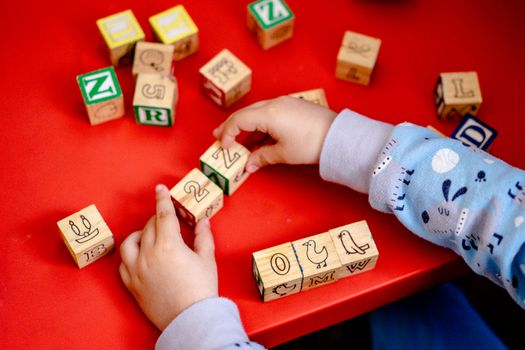 Photo: Atlantic Ambience / Pexels
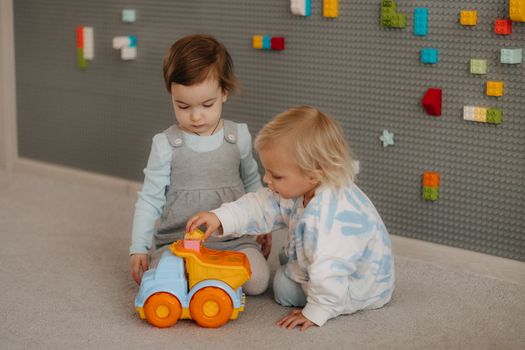 Photo: Polesie Toys / Pexels
 Photo: Pavel Danilyuk / Pexels
 Photo: Timur Weber / Pexels